health
March 10, 2026
Testing the waters: can pumping chemicals into the ocean help stop global heating?
To some it was a reckless experiment but scientists hope the dispersal of 65,000 litres of sodium hydroxide into the Gulf of Maine could ease the climate crisis
TL;DR
- Ocean Alkalinity Enhancement (OAE) is a scientific approach to combat global heating and ocean acidification.
- The method involves pumping alkaline chemicals into the ocean to encourage it to absorb more carbon dioxide.
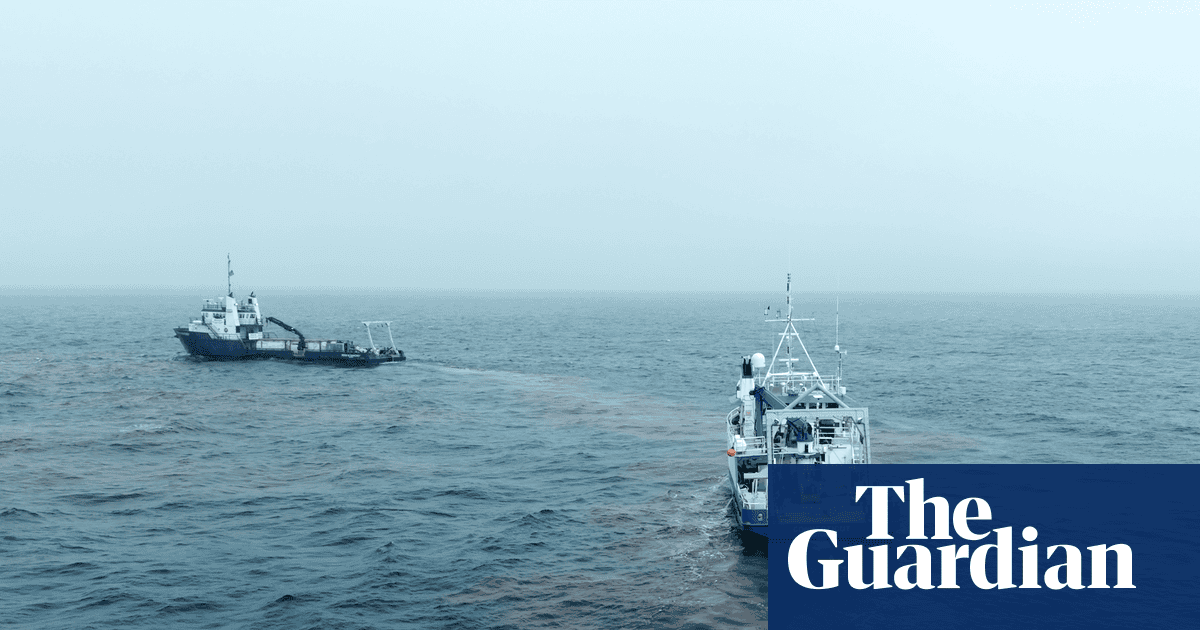
- An experiment in the Gulf of Maine released 65,000 litres of sodium hydroxide, tagged with a red dye, to test OAE.
- The experiment observed an increase in local pH and measured carbon absorption, with no significant harm to plankton and larvae.
- Critics are concerned about the potential risks and unforeseen consequences of OAE at a large scale.
- Proponents view OAE as a proactive management of carbon dioxide entering the oceans.
- OAE has historical parallels with practices like liming fields and acidifying rivers.
- Startups are already verifying OAE for carbon credits, raising questions about its readiness and safety for climate benefits.
- The research team plans further modeling to understand CO2 absorption over time.
- Concerns exist among stakeholders, including fishers, about commercial operators using OAE for carbon credits and potential negative impacts.
Continue reading the original article