health
February 19, 2026
‘There has to be glitter’: can the Rio carnival give up its love of beach-polluting microplastics?
A bill banning the sale and use of plastic and metallic glitter has yet to go through in Brazil as the capital’s sandy shores bear cost of carnival’s shine
TL;DR
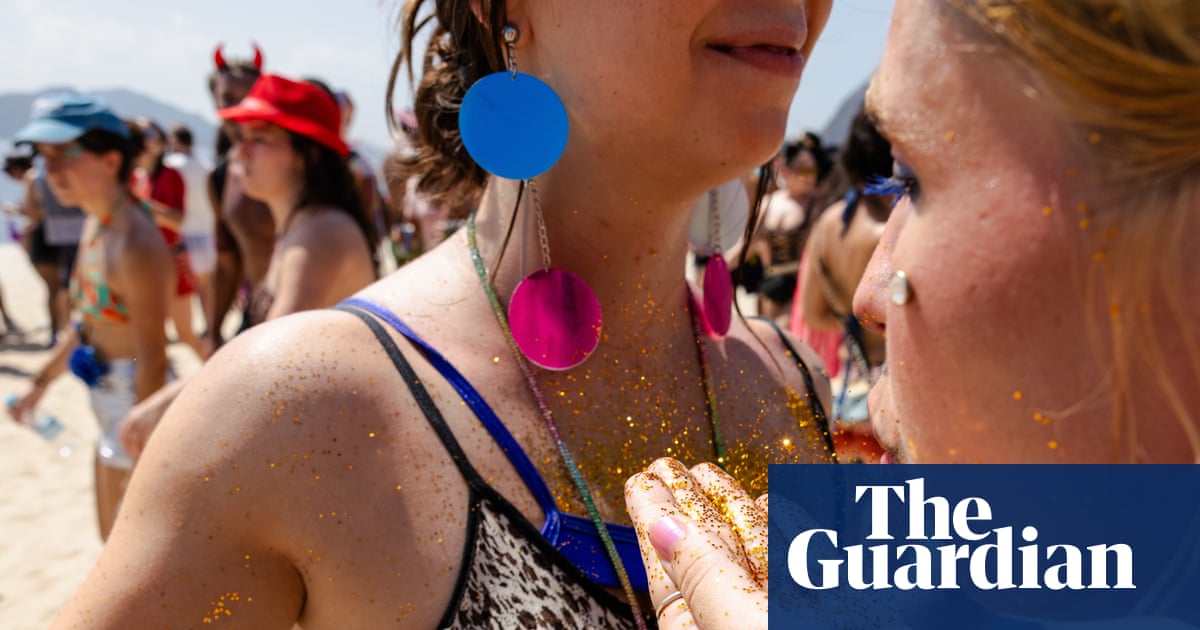
- Glitter is a ubiquitous element of Rio de Janeiro's Carnival, used by millions of revellers to enhance costumes and makeup.
- A study found that microplastic pollution, largely from glitter, significantly increases on Rio's beaches during Carnival.
- Plastic glitter, composed of microplastics, harms marine life when it enters the sea and can move up the food chain.
- While biodegradable glitter alternatives exist, they are significantly more expensive than traditional plastic glitter.
- A bill to ban plastic and metallic glitter in Brazil has been stalled since 2020, and biodegradable options remain a fringe practice.
- Cultural habits and financial accessibility are major hurdles in shifting away from plastic glitter at Carnival.
- Rio's waste services collected over 1,600 tonnes of rubbish from street parties and parades last year, highlighting the event's broader waste issue.
Continue reading the original article