politics
Dearborn isn't a 'walk for peace': Tehran launders extremism US refuses to see
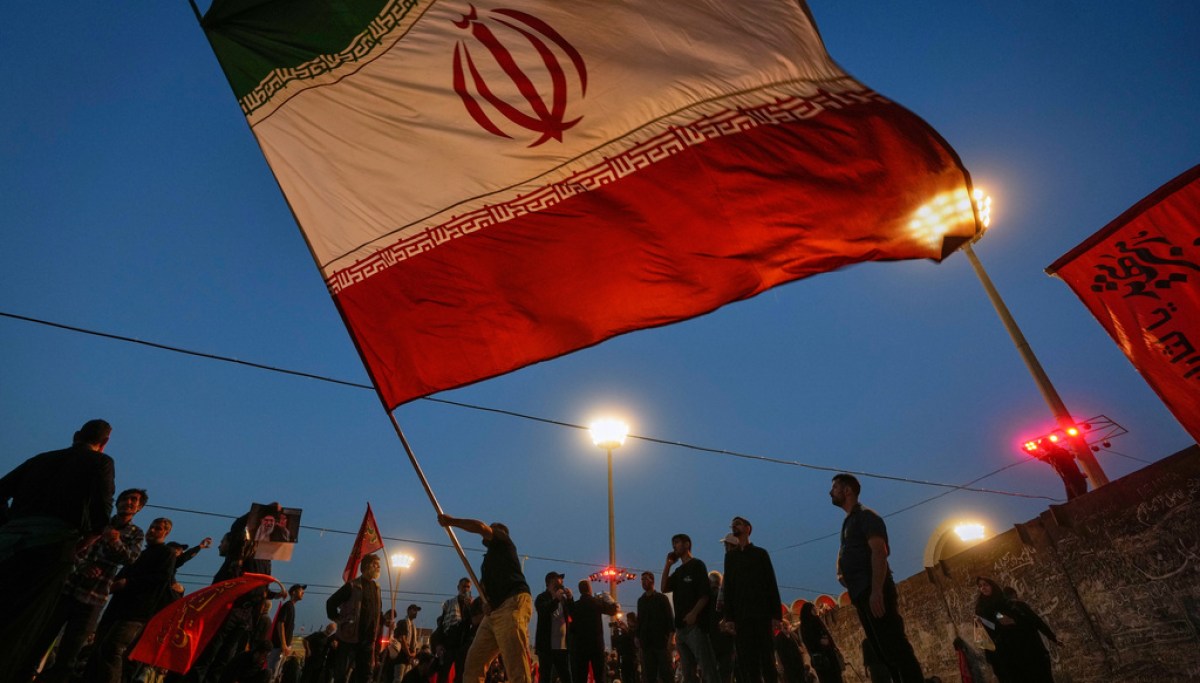
The scenes from Dearborn, Michigan, where thousands of Shiite mourners marched through the streets to commemorate the 40th day of a death nearly 1,400 years old, deserve to be understood as more than material for internet debate. Children carrying banners, religious paraphernalia, and portraits of figures such as Khamenei and Nasrallah, alongside troubling chants and incidents of violence, point to a larger problem of political-religious indoctrination. Dearborn offered a glimpse of an ideological infrastructure America has spent decades refusing to examine with the seriousness it deserves.
TL;DR
- Thousands of Shiite mourners marched in Dearborn, Michigan, to commemorate a death from nearly 1,400 years ago.
- Children were seen carrying banners, religious items, and portraits of figures like Khamenei and Nasrallah.
- The events in Dearborn point to a problem of political-religious indoctrination and an ignored ideological infrastructure.
- Domestic Shiite extremism is presented as a visible, long-standing issue, not a fringe concern.
- Iran is accused of cultivating radicalized sympathy among the Shiite diaspora by using religious symbolism, grievances, and doctrine.
- A failure in Western analysis after 9/11, focusing on Sunni militancy, allowed Iran to expand its influence.
- Cooperation with Iran against the Taliban and Saddam Hussein's Iraq created an analytical imbalance.