The Death of Khamenei and the End of an Era
His life’s work was to preserve a revolution that is heading for the ash heap.
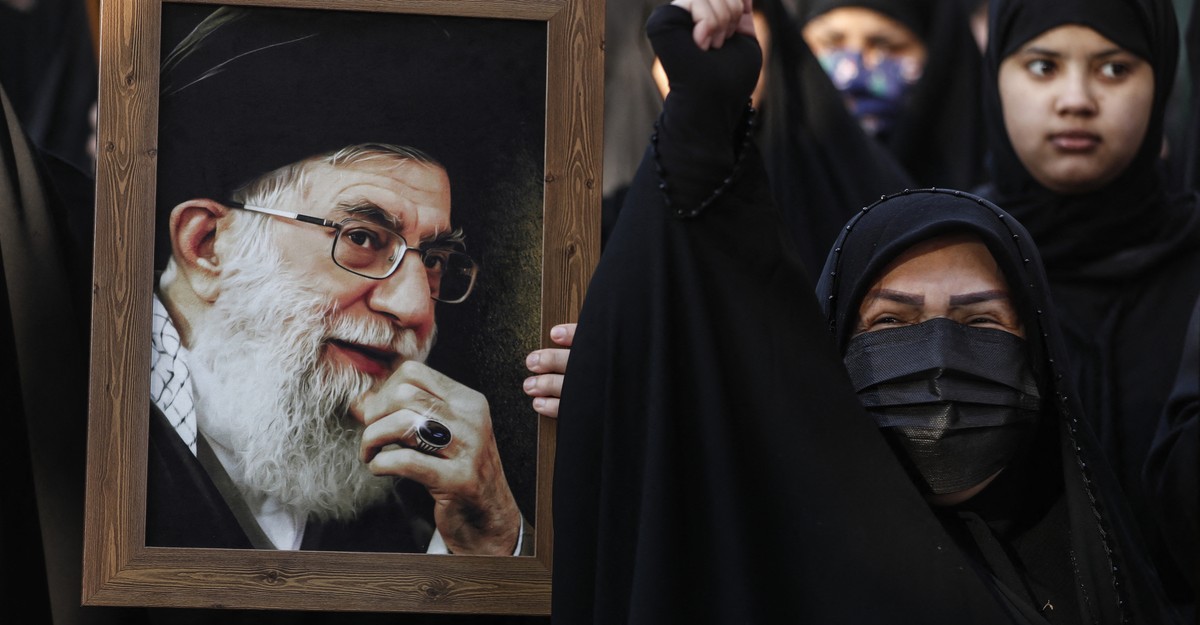
TL;DR
- Ayatollah Ali Khamenei succeeded Ayatollah Ruhollah Khomeini in 1989, inheriting the Islamic Republic founded on "Death to America," "Death to Israel," and mandatory hijab.
- Khamenei's primary objective was to maintain the revolution's ideology long after societal norms had shifted, a goal he pursued ruthlessly for nearly four decades.
- His rise to power was engineered, with Ali Akbar Hashemi Rafsanjani initially viewing him as a pliable figurehead, a perception Khamenei defied.
- Khamenei cultivated the Islamic Revolutionary Guard Corps (IRGC) as his power base, allowing it to eclipse the clergy and become a dominant economic force.
- He systematically undermined elected presidents, regardless of their political or economic agendas, maintaining Iran's institutions as facades.
- The regime under Khamenei enforced strict social controls, preached austerity while the IRGC profited, built a digital wall around the country, and maintained a high execution rate.
- Khamenei's anti-Americanism was a core tenet, seen as essential for self-preservation and the regime's survival.
- His death is viewed as a hinge moment, marking the end of the revolution's first generation of founders.
- The article suggests Khamenei's efforts to preserve a revolution designed for a past era were ultimately futile, comparable to the Soviet Union's inability to indefinitely resist change.
- His death is framed by his lifelong animosity towards Donald Trump and Benjamin Netanyahu.