ROBERT MAGINNIS: Why Islamabad talks were always doomed to fail
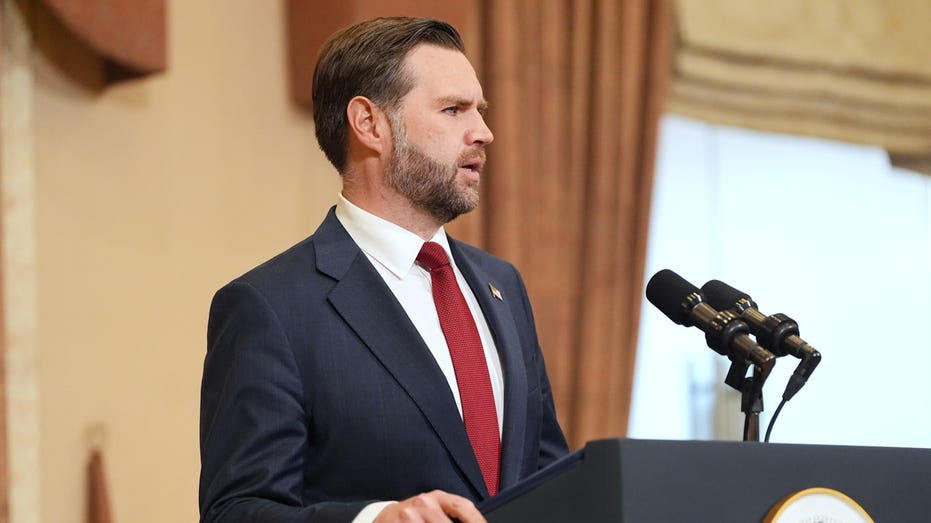
VP JD Vance led historic U.S.-Iran talks in Islamabad, but after 21 hours of negotiations, the two sides failed to reach an agreement on key demands.
TL;DR
- Vice President JD Vance led the highest-level U.S.-Iran talks since 1979 in Islamabad, which lasted 21 hours across multiple sessions but ended without an agreement.
- Iran's delegation presented four non-negotiable conditions: full sovereignty over the Strait of Hormuz, complete war reparations, unconditional release of frozen assets, and a durable ceasefire across West Asia.
- The U.S. framework demanded Iran surrender highly enriched uranium, accept caps on defense capabilities, and fully reopen the strait, with the primary condition being an affirmative commitment not to seek a nuclear weapon.
- The talks were complicated by Iran's insistence that a ceasefire cover Hezbollah in Lebanon, a condition Washington and Jerusalem rejected.
- The article suggests Iran's strategy is to use negotiations to buy time and avoid commitments, while Washington lacks a clear strategy for a durable settlement, risking increased pressure for military strikes.