‘Blindfolded, I sat down slowly. Then the interrogation began’: Iranian Nobel laureate Narges Mohammadi on the torture of solitary confinement
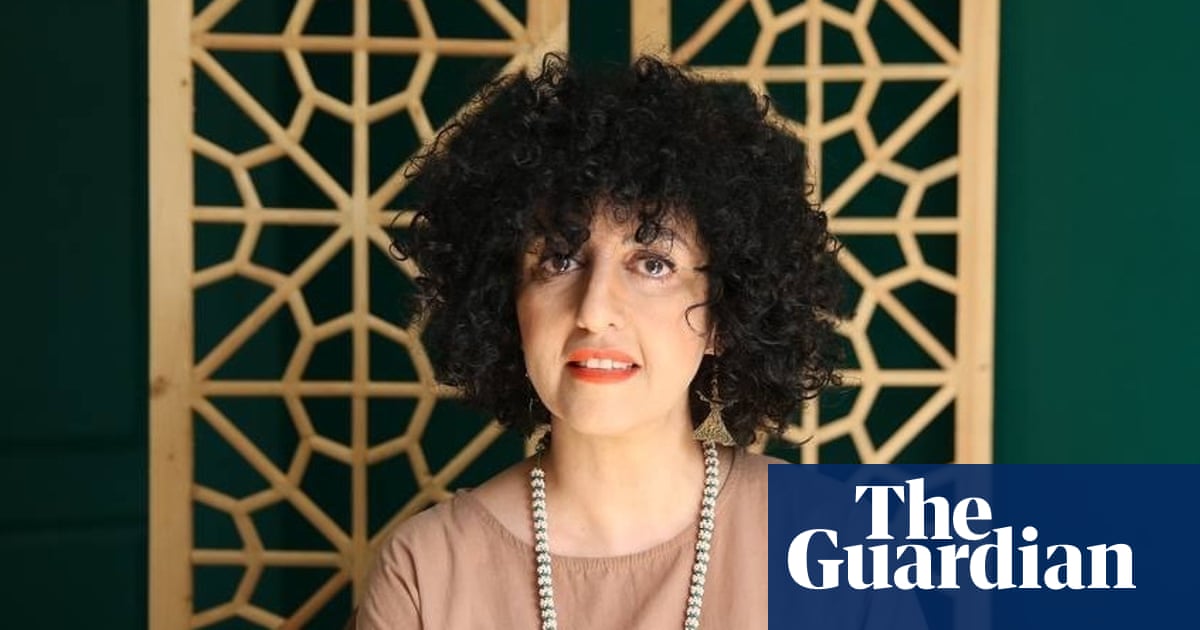
Sentenced to 44 years in prison for her political activism, she is now critically ill and her family warn she may soon die in custody. In this exclusive excerpt from her writings, smuggled out of prison at immense risk, Mohammadi describes the horror of her incarceration
TL;DR
- Solitary confinement distorts the sense of time, leading to psychological distress and a feeling of being trapped.
- The process of interrogation involves being blindfolded, dressed in prison attire, and subjected to harsh questioning.
- The denial of medical care in prison is described as a deliberate tactic to weaken and eliminate dissidents.
- The article highlights the immense personal risk involved in smuggling out writings from imprisoned activists in Iran.