economy
February 20, 2026
The true cost of Ecuador’s perfect roses: how the global flower trade poisons workers
Many farmers in the Andes rely on growing blooms for export, but high water usage and risky pesticides threaten Indigenous communities
TL;DR
- Ecuador is the world's third-largest exporter of roses, with a significant portion of production concentrated in the Cayambe region.
- The high altitude, volcanic soil, and sunlight in Cayambe create ideal conditions for growing high-quality roses.
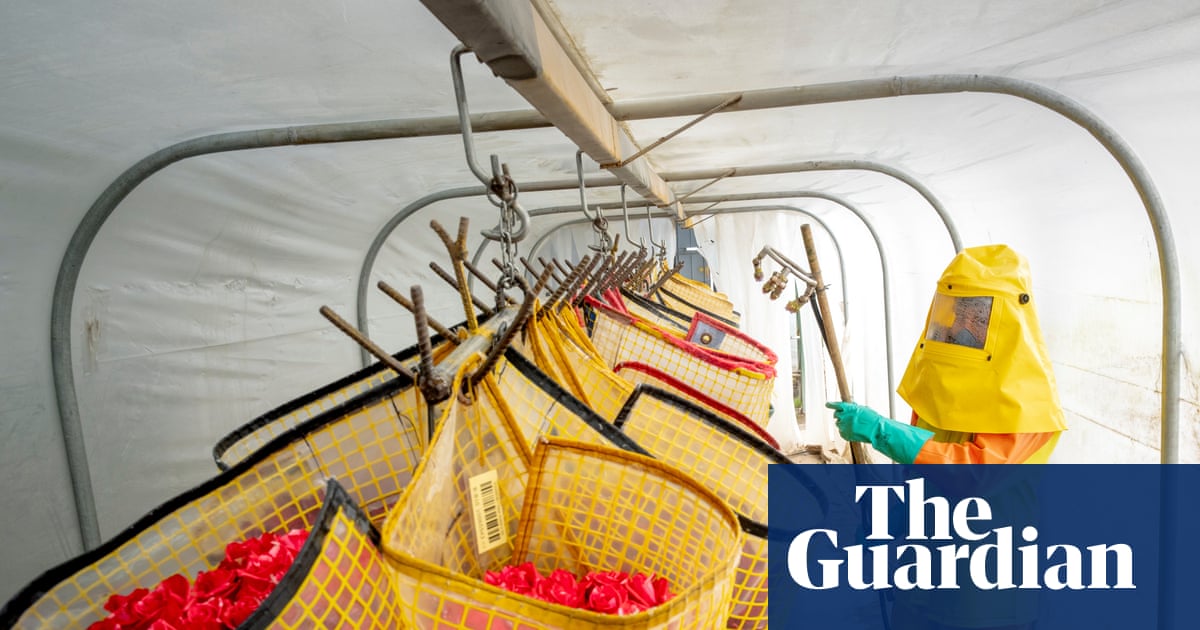
- The cut-flower industry has become a vital part of Ecuador's economy, but it is linked to the heavy use of pesticides.
- Studies have found numerous pesticides, some banned in the EU, in exported bouquets, with potential health impacts.
- Workers in the floriculture sector report symptoms of pneumonitis, skin complaints, and pesticide poisoning.
- Pesticide exposure has been linked to increased inflammation and neurobehavioral impairments in children living near plantations.
- Concerns exist regarding the impact of pesticide exposure on mental health, with higher depression scores observed in women.
- Workers on large plantations often face low wages, long hours, and inadequate safety measures.
- Water scarcity is a growing issue, with large plantations consuming significant amounts of water, impacting smallholders.
- Efforts to improve labor rights and environmental standards face challenges from various stakeholders.
Continue reading the original article