‘It’s part of our history’: can the menú del día survive Spain’s changing eating habits?
Established under the Franco dictatorship, the lunchtime ritual is in decline but all is not lost
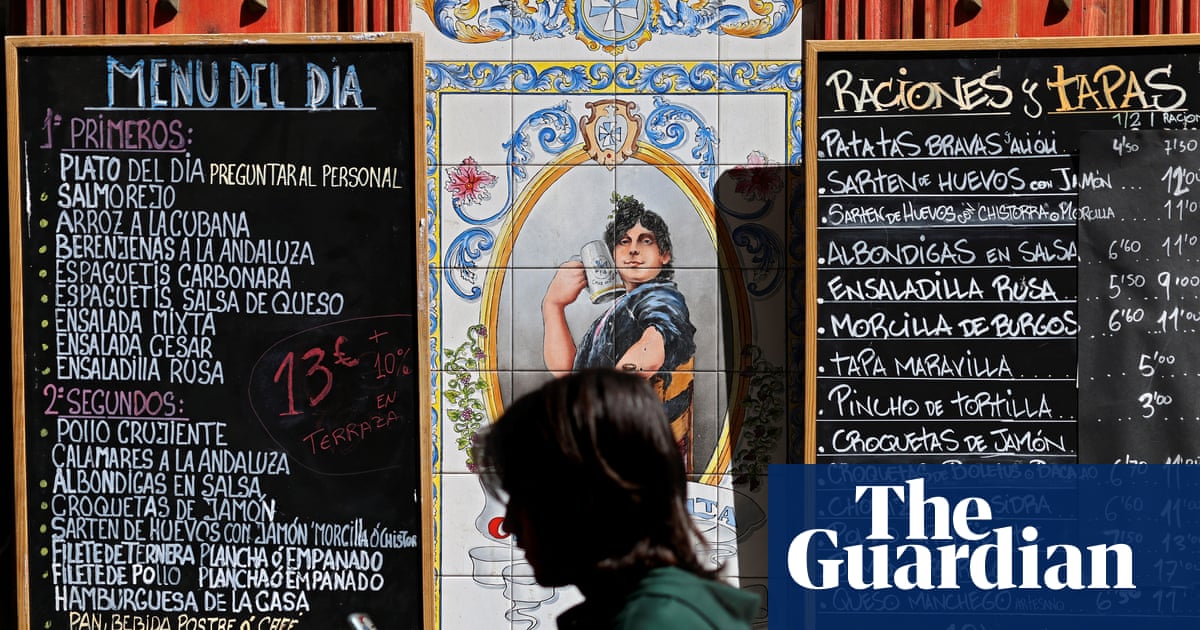
TL;DR
- The 'menú del día' originated in the mid-1960s under Spain's Franco dictatorship, intended to present an image of plentiful and affordable food to tourists.
- Initially priced between 50 and 250 pesetas, it included a starter, a main course, a dessert, bread, and a drink, with specific regulations on wine quality.
- The tradition, renamed in the 1970s, is now threatened by changing eating habits, economic downturns, and rising food and energy prices, making it difficult for small restaurants to maintain.
- Factors contributing to its decline include Spaniards opting for quicker lunches, eating packed meals, or choosing supermarket ready-meals.
- The 'menú del día' is seen as more than just a meal; it represents a community meeting point and a social hub, especially for families with limited financial means and for those eating alone.
- The evolution of Spanish society is reflected in some menus incorporating international dishes, though purists may reject these changes.
- A good 'menú del día' spot is characterized by simple, well-cooked dishes, a regularly changing menu, non-frozen chips, and a familiar, local atmosphere, free from trendy gastronomic terms.