Hope, fear and an ‘unpredictable outcome’ as Hungarians vote after 16 years of Orbán
Voters weigh change against stability as opposition mounts strongest challenge yet to long-serving prime minister
TL;DR
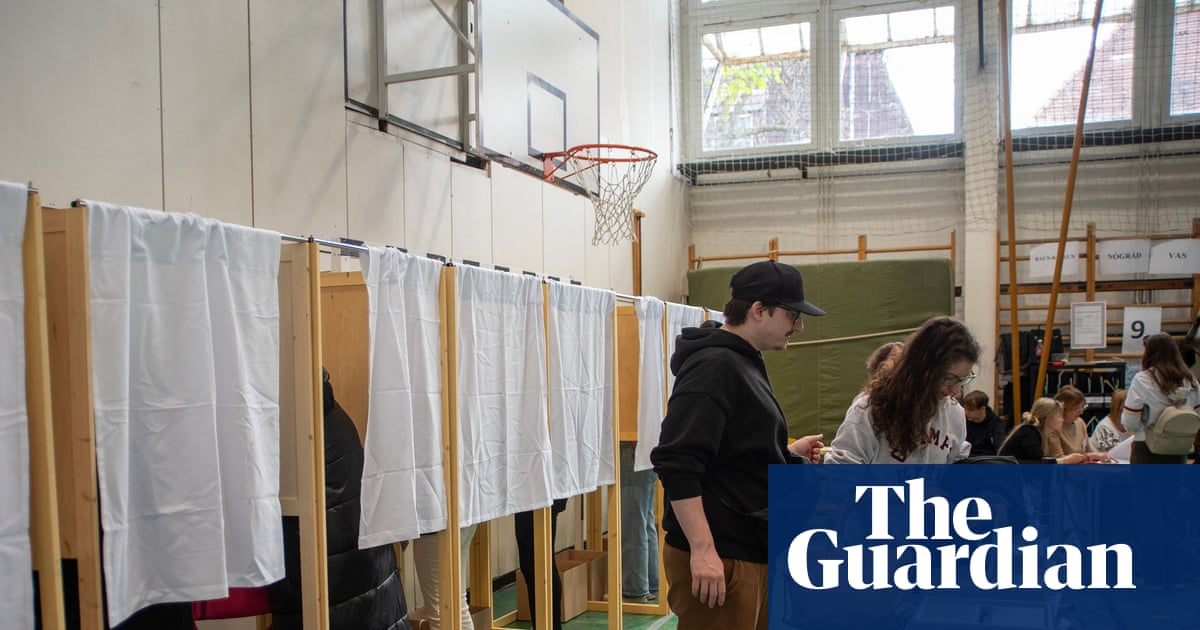
- Hungarians voted in a parliamentary election after 16 years of Viktor Orbán's rule, with a mix of hope and anxiety among voters.
- Péter Magyar's Tisza party gained traction by alleging corruption within Orbán's Fidesz party and promising reforms.
- Orbán focused on national security and peace, while Tisza highlighted economic issues and corruption.
- The election outcome is seen as unpredictable, with potential consequences for global far-right movements and Hungary's relationship with the EU and Russia.
- Voters expressed concerns about corruption impacting healthcare and education, while others trusted Fidesz to maintain stability and provide support.
- Potential limitations on Tisza's ability to enact change exist, including the need for a two-thirds majority to amend laws and the potential for Fidesz loyalists remaining in state institutions.