health
February 25, 2026
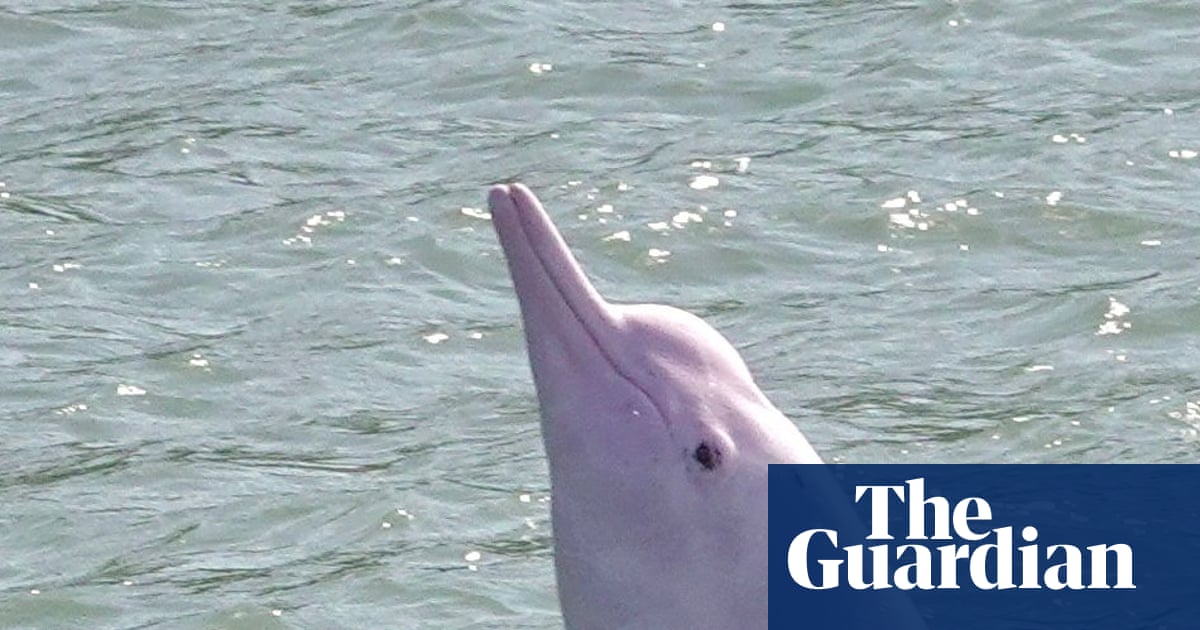
Toxic waste from screens ends up in endangered dolphins, study finds
Gene-altering chemicals found in humpback dolphins and finless porpoises, raising alarm they may end up in human food chain
TL;DR
- Liquid crystal monomers (LCMs) from e-waste found in endangered Indo-Pacific humpback dolphins and finless porpoises in the South China Sea.
- LCMs are synthetic chemicals used in TV, computer, and smartphone screens, known for their environmental persistence.
- These chemicals likely enter marine animals through the food chain, as they have been detected in the fish and invertebrates they consume.
- Analysis of dolphin cells revealed gene alteration related to DNA repair and cell division due to LCM exposure.
- LCMs were found in the animals' brains, indicating their ability to cross the blood-brain barrier.
- Electronic waste is a growing global problem, driven by 'fast tech' and disposable devices.
- Recommendations include extending electronics' life, using certified e-waste recycling, and implementing stricter regulations on persistent chemicals before market entry.
Continue reading the original article