health
February 5, 2026
‘Part of our biological toolkit’: newborn babies can anticipate rhythm in music, researchers find
Brain activity suggests newborns can detect and predict patterns relating to rhythm, study says
TL;DR
- Newborn babies can detect and predict rhythmic patterns in music.
- Newborns do not appear to process melodic patterns in music.
- Rhythm processing may rely on ancient auditory abilities shared with other primates.
- Melody processing seems to depend on human brain specializations developed after birth.
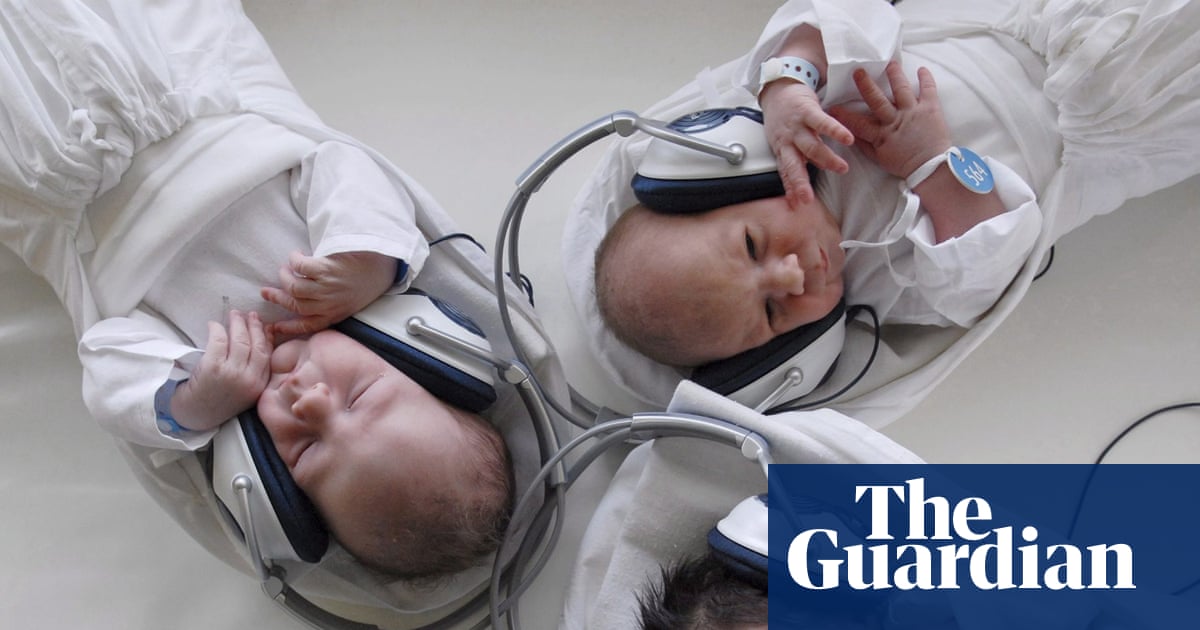
- The study used electroencephalography (EEG) to measure brain activity in sleeping newborns.
- Babies in the womb respond to music by eight or nine months.
- Rhythmic abilities in newborns may be rooted in prenatal experiences, like the mother's heartbeat.
- The findings align with research suggesting language acquisition begins with speech rhythm.
Continue reading the original article