sports
January 15, 2026
Geopolitical football: Iran? Trump? How the game can stand strong in a fractured world
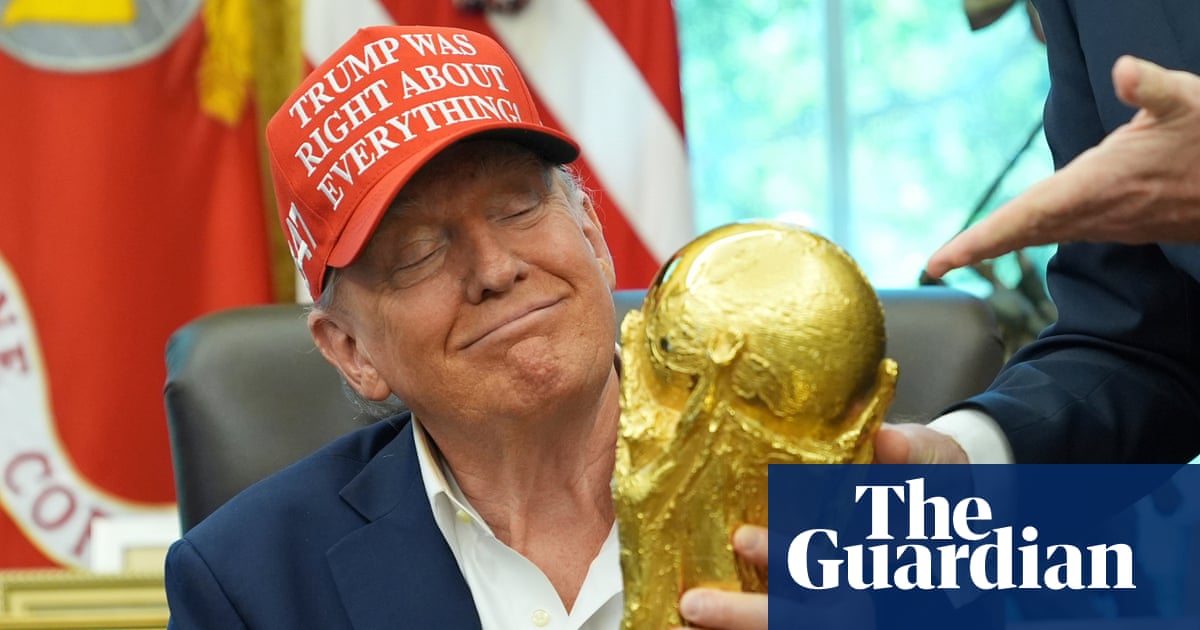
The 2026 World Cup is set to be a polarising event but, even if it will not be the first to be politically contentious, it will expose a growing unease
TL;DR
- The 2026 World Cup is anticipated to be a politically contentious event, mirroring past tournaments that have faced ethical scrutiny.
- Concerns exist regarding the host country, the US, with its immigration policies, and qualifying nations like Iran, facing internal uprisings.
- Historical examples, such as the 1978 World Cup in Argentina, demonstrate past campaigns by organizations like Amnesty International to address human rights issues during major sporting events.
- The approach to human rights responsibilities for sports bodies like FIFA has evolved since the 2008 Beijing Olympics and 2010 World Cup awards.
- FIFA's statutes declare neutrality in political and religious matters, yet its decisions, like the ban on Russia, have been influenced by geopolitical events and political pressure.
- Experts suggest that sports bodies lack clear rules for dealing with serious geopolitical developments and that achieving democratization through mega-events has been largely unsuccessful.
- A more effective approach might involve ensuring governing bodies enforce existing rules and using events to promote non-discrimination and protect fundamental rights.
- There is a perceived disconnect between the idealized vision of sports as an escape and the reality of their entanglement with power struggles and human failings.
Continue reading the original article