environment
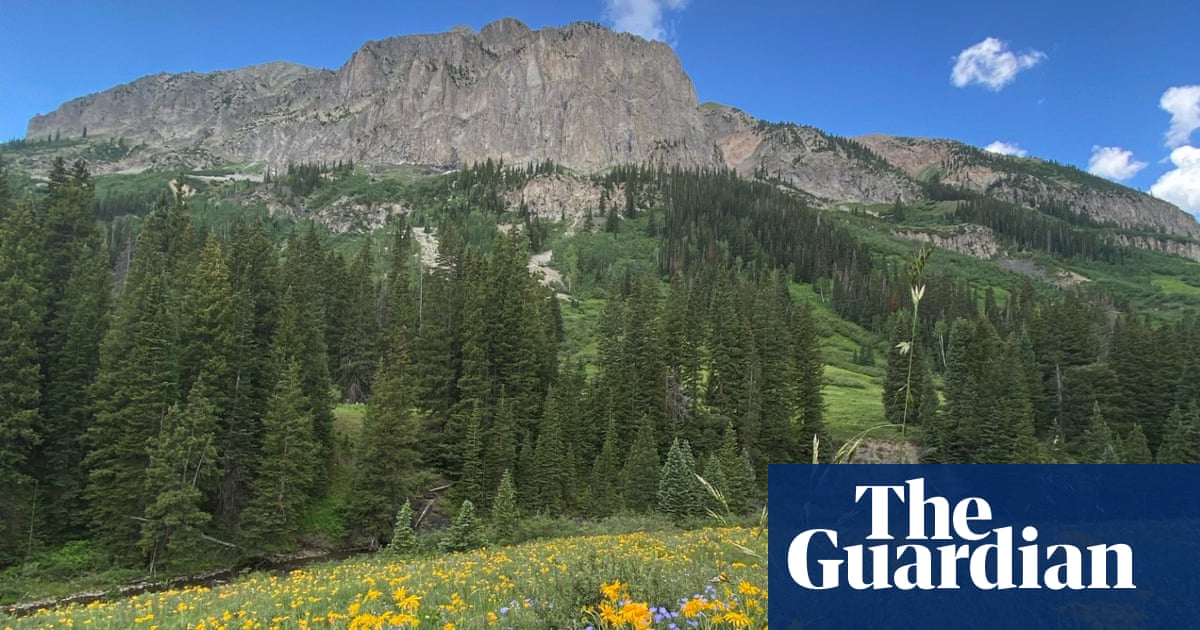
'It’s like flowers on steroids': what happened when scientists heated a Rocky Mountain wildlife meadow by 2C?
A long-running experiment in Colorado provides an ‘alarming’ view of how rapidly unchecked global heating could transform fragile ecosystems
TL;DR
- A 29-year experiment in Colorado's Rocky Mountains found that warming plots by 2C led to a 150% increase in shrubs, a 20% drying of soil, and stress on shallow-rooted plants.
- Some wildflowers went extinct in heated plots, and soil fungi were transformed, with a decline in nutrient-acquiring fungi and an increase in decomposition fungi.
- This 'shrubification' process is predicted to transform fragile alpine grasslands into desert-like scrubland and woody ecosystems if global heating reaches 2C.
- Similar shrub expansion is observed in Arctic landscapes, driven by increasing summer temperatures, indicating a global trend of ecosystem transformation.
- While shrubs and trees can offer benefits, the afforestation of cold environments is worrying due to its association with permafrost melting and increased carbon emissions.
- Scientists emphasize that shrubification is a symptom of humanity's inability to control carbon emissions, and the speed of these changes is alarming.