France gave the Statue of Liberty. China sends pandas. What do diplomatic gifts mean
France’s offer to the American people was a point made on a colossal scale, and world leaders’ exchange of tokens remains a complex art
TL;DR
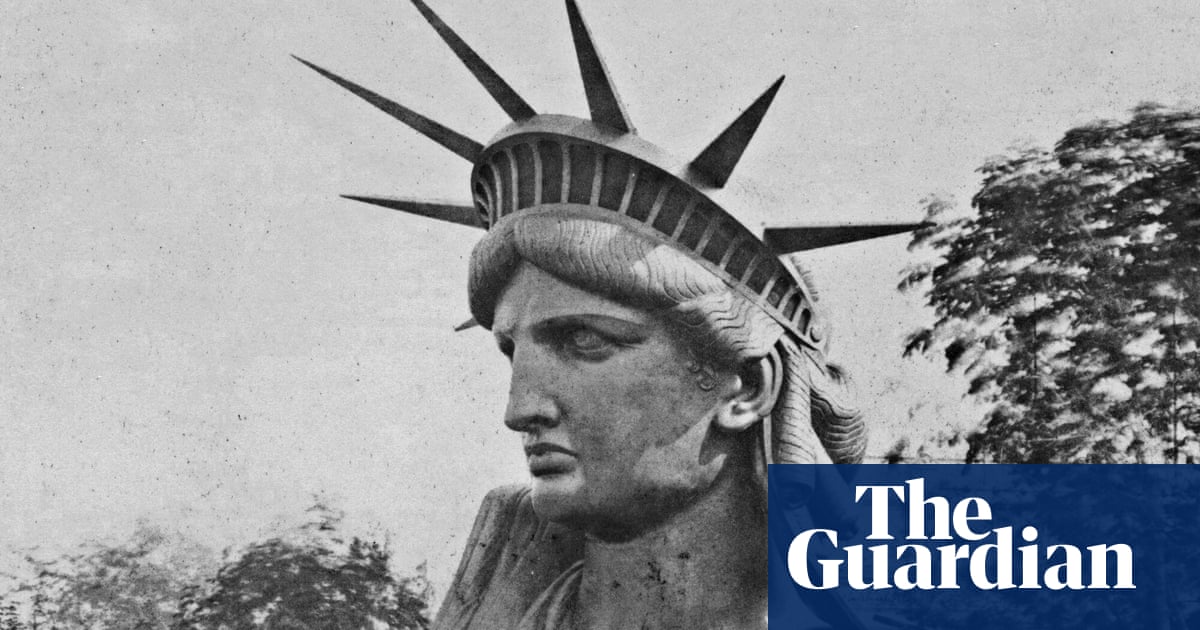
- The Statue of Liberty was a gift from France to the US, intended to commemorate American independence and symbolize friendship.
- Its creators, Édouard Laboulaye and Frederic Auguste Bartholdi, had underlying political motivations related to Napoleon III and Bartholdi's desire for a monumental project.
- Diplomatic gifts throughout history, such as China's pandas and the US 'reset' button, have served as political, propaganda, and diplomatic tools.
- The effectiveness and impact of diplomatic gifts vary, with some being highly successful (e.g., pandas, cherry trees) and others leading to misunderstandings (e.g., the 'reset' button).
- Personal and historical significance often play a key role in successful diplomatic gifts, as demonstrated by gifts exchanged between British royals and US presidents.
- Royal families and totalitarian regimes often receive or display numerous gifts, showcasing international relations and perceived support.
- Long-lasting legacies of diplomatic gifts include Tokyo's cherry trees to Washington D.C. and Oslo's annual Christmas tree to London.