Manure dryers and devil dancers: the British empire’s attempt to use photography to control India
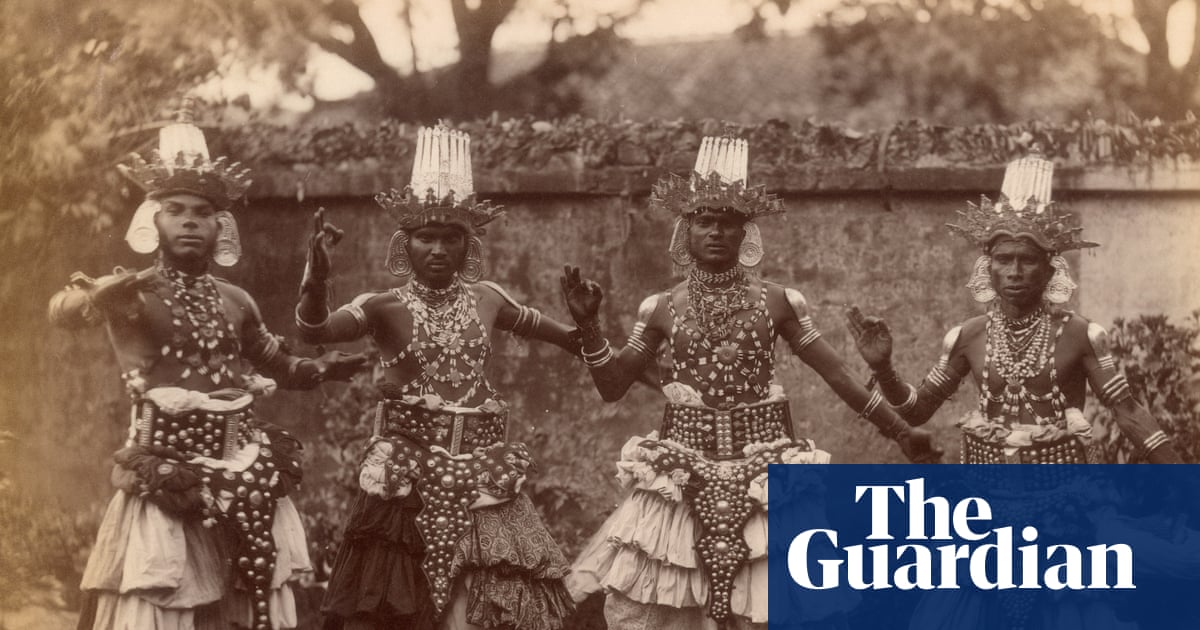
In a new exhibition, the featured images reflect Britain’s attempts to classify and curb the subcontinent’s population, but they also demonstrate the nobility of their subjects – and the futility of the task
TL;DR
- British colonialists used photography as a tool for ethnographic classification and control in India.
- The "People of India" project aimed to categorize individuals into "generic types" to understand and exert control.
- Photographs lacked individual names, with captions describing "ethnic specimens" and often including negative generalizations.
- Despite the British intent, the subjects displayed agency, posing and sometimes resisting the colonial gaze.
- The project's timing after the 1857 rebellion suggests an aim to prevent future uprisings through systematic documentation.
- The immense diversity of Indian people ultimately made the attempt to create "generic types" a futile exercise.
- The photographs inadvertently serve as proof of the diversity that defies such categorization.