As a Cuban from Miami, I welcome Raul Castro's indictment
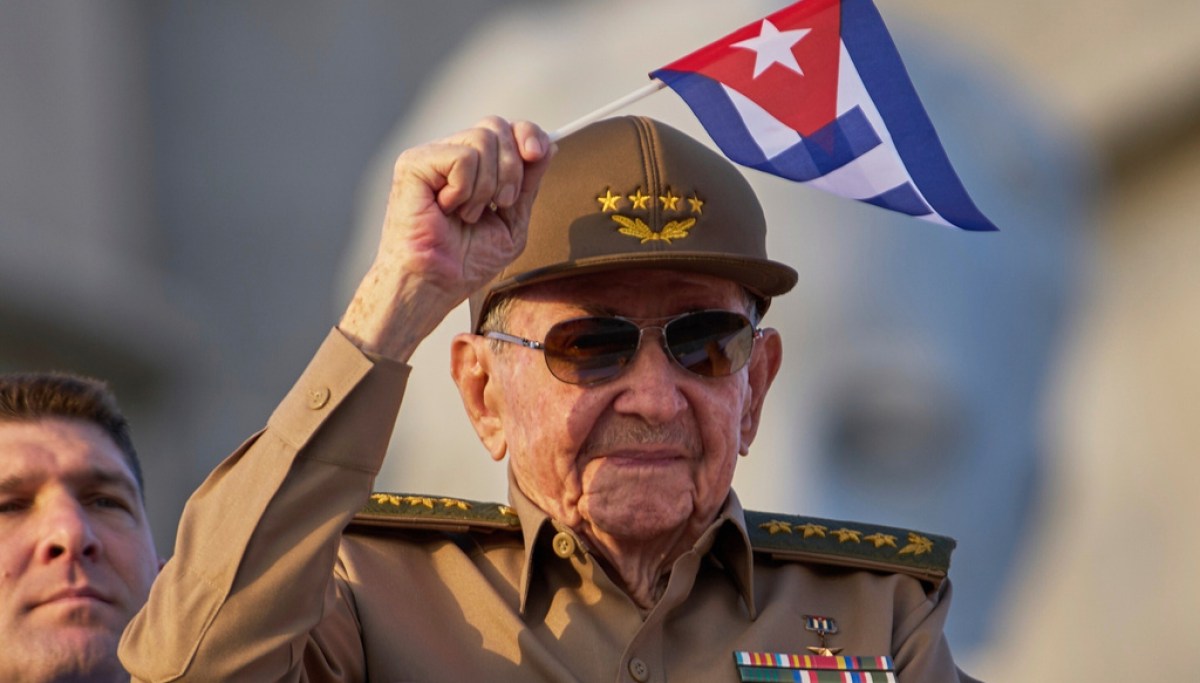
Former Venezuelan dictator Nicolas Maduro and his wife, Cilia Flores, were captured and removed from Caracas, Venezuela, in an American operation called “Absolute Resolve” on Jan. 3. The next month, Ayatollah Ali Khamenei, the brutal supreme leader of Iran, was killed during a joint U.S.-Israeli operation. And on Wednesday, the United States indicted Fidel Castro’s brother, Raul Castro, which some are seeing as the beginning of the end for Cuba’s 67-year dictatorship.
TL;DR
- The author, a Cuban American, sees the removal of Nicolas Maduro and Ayatollah Ali Khamenei, and the indictment of Raul Castro, as potentially hopeful developments for freedom.
- She argues that the sovereignty of the people is more important than national sovereignty when dictatorships are involved.
- Her family has a history of fleeing various tyrannies, and she shares stories of torture and oppression experienced by those from Cuba and Venezuela.
- The article critiques how dictatorial regimes use democratic freedoms to spread propaganda and silence dissent, creating a 'veil' to hide their actions.
- Exiled figures like Jose Daniel Ferrer and Rosa Maria Payá are presented as continuing the fight for freedom in Cuba.
- The author cites historical philosophers and political figures who argued for the right of people to resist or depose tyrannical rulers.
- She raises questions about the international community's responsibility to intervene when people cannot shed tyrants peacefully and how to prevent tyranny from re-emerging.
- The piece concludes by framing the U.S. actions as part of a long fight against tyranny, inspired by a sense of hope and a call to action.