Animals crossing: the simple solution to stop roadkill in the Amazon
Installation of eight canopy bridges in Alta Floresta has enabled 15,000 safe crossings by animals including spider monkeys and marmosets – and more bridges are planned elsewhere
TL;DR
- Roadkill is a significant threat to Brazil's wildlife, particularly endangered primates, with millions of mammals killed annually on roads.
- Canopy bridges, aerial wildlife crossings, have been installed in areas like Alta Floresta, Brazil, to connect fragmented forest patches and reduce roadkill.
- In Alta Floresta, eight canopy bridges enabled 15,000 safe animal crossings in 15 months, with no recorded roadkill incidents during that time.
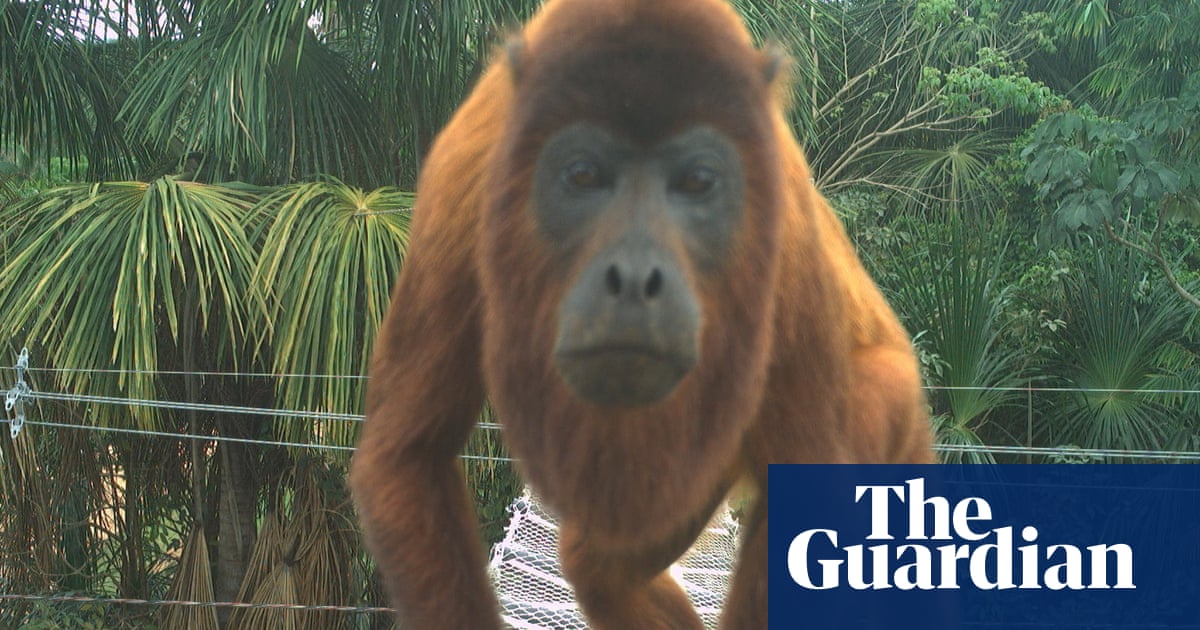
- Various primate species, including the critically endangered Alta Floresta titi monkey, have been observed using the bridges.
- Projects like Reconecta's have also installed bridges along the BR-174 highway in collaboration with the Waimiri-Atroari Indigenous people.
- The design of the bridges accommodates different modes of primate locomotion and has also been used by other small mammals.
- A bill to establish a national road safety plan for wildlife, including the construction of such crossings, is under consideration in Brazil's congress.
- The canopy bridge design by Reconecta has been designated as a recommended standard for highways in Brazil.