tech
December 23, 2025
Sorry, America, but sunrise will keep getting later for two weeks
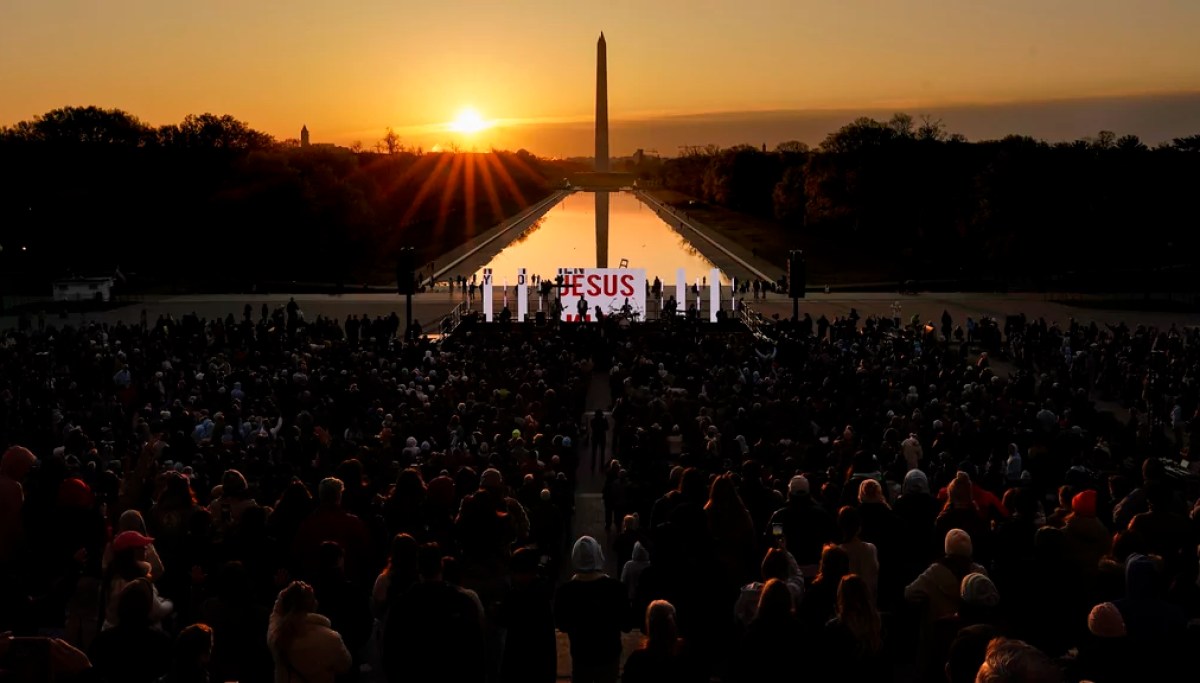
Sunday, Dec. 21, had the least daylight of the year in the Northern Hemisphere. In Washington, D.C., there were 9 hours, 26 minutes, and 18 seconds of daylight, about 2 seconds less than the day before or than on Monday.
TL;DR
- The winter solstice (December 21st) has the least daylight and the lowest sun altitude in the Northern Hemisphere.
- Despite the solstice, sunrise will continue to get later for approximately two more weeks in places like Washington, D.C.
- Solar noon, the time when the sun is highest, is also creeping later in the day during this period.
- Solar days are currently longer than 24 hours, a phenomenon explained by two factors: the Earth's elliptical orbit and its axial tilt.
- The Earth orbits faster when closer to the sun (December/January), requiring more rotation to reach solar noon, thus lengthening the solar day.
- The combination of these factors means that even as daylight hours increase after the solstice, the delayed solar noon causes sunrise to occur later.
Continue reading the original article