health
Admit It, That Protein Shake Is Basically Soylent
The post-food future is here.
TL;DR
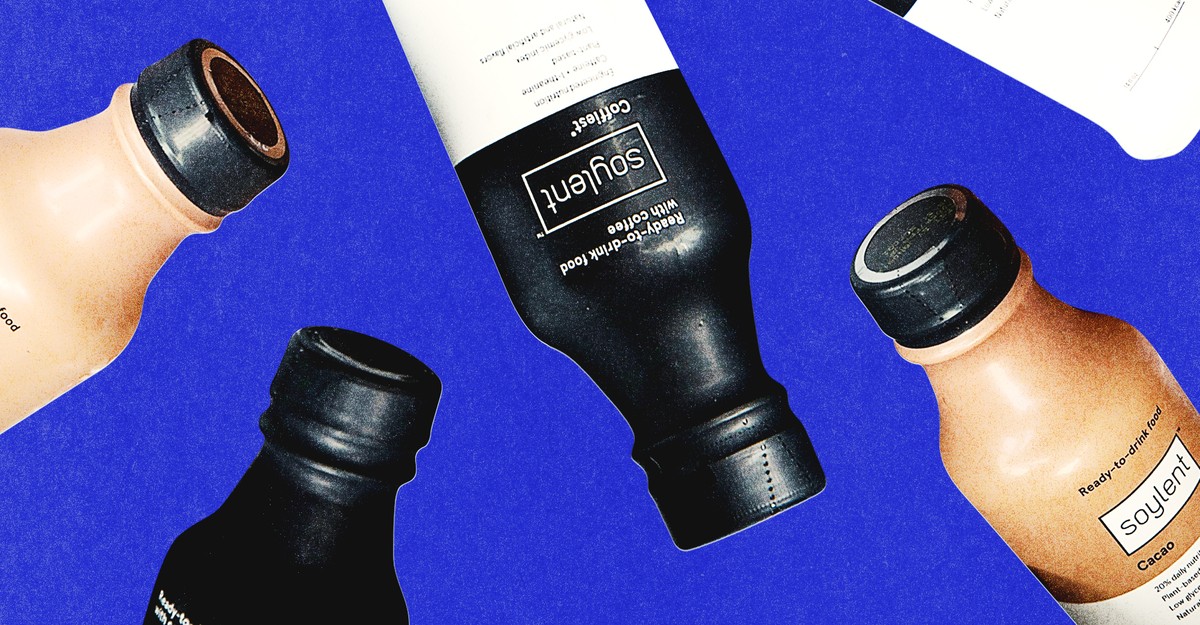
- Soylent, launched in the mid-2010s, aimed to replace cooking and chewing with a nutrient-dense slurry for busy tech workers.
- Despite initial venture capital success, Soylent was sold off in 2023 for less than its previous valuation, with co-founder John Coogan attributing the decline to inexperience and timing.
- Similar nutrient shakes from brands like Fairlife, Huel, Rebbl, and Orgain are now widely popular, indicating a shift in consumer behavior.
- Modern nutrition shakes focus on 'next-level nourishment,' emphasizing high protein, health benefits (adaptogens, gut health, antioxidants), and personal optimization rather than solely being meal replacements.
- These shakes cater to a lifestyle of 'snacking' and evolving dietary needs, including mitigating side effects of weight loss medication like GLP-1s by providing convenient protein intake.
- The appeal of these shakes lies in their portability, efficiency, and precise nutritional information, offering a sense of reassurance and control in a complex food landscape.
- The market has evolved, with companies like Soylent itself rebranding from 'meal replacement' to 'complete nutrition' to align with consumer demands for enhanced supplements like ashwagandha and probiotics.
- The current goal of these shakes is not just to match food but to transcend it, offering a meticulously calibrated way to 'maximize' nutrients and time.