environment
Dramatic rise in water-related violence recorded since 2022
Experts say climate crisis, corruption and lack or misuse of infrastructure among factors driving water conflicts
TL;DR
- Water-related violence has increased from 235 incidents in 2022 to 419 in 2024.
- Experts cite climate change, extreme weather, state failure, and infrastructure issues as drivers of water conflicts.
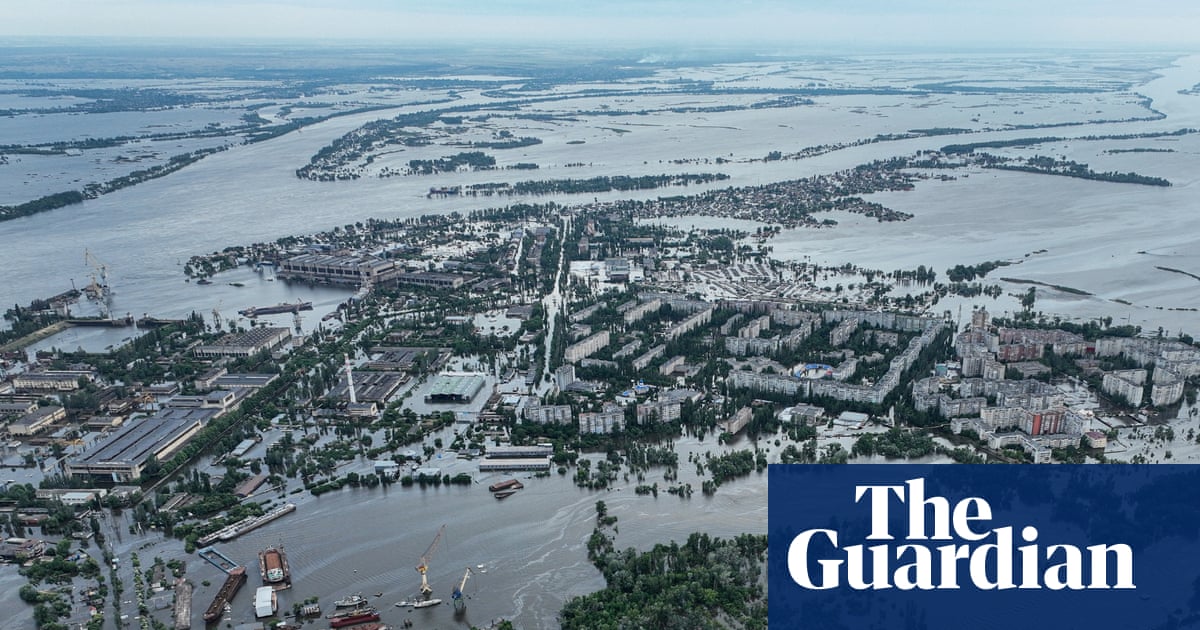
- Recent examples include tensions over the Indus River, Russia targeting Ukrainian dams, Israel's actions in Gaza, and water protests in South Africa.
- Political factors, such as border politics, have intensified disputes over rivers like the Colorado and Rio Grande.
- Central Asian republics face potential conflict over water diversion projects, notably Afghanistan's Qosh Tepa canal.
- The UN predicts global freshwater demand will outstrip supply by 40% by 2030, declaring an era of 'water bankruptcy'.
- Only a fifth of countries with transboundary river basins have agreements for equitable resource sharing.
- Experts emphasize the need for more accountable transboundary treaties and recognition of the human right to water.
- Solutions for water problems, including climate change impacts and conflict reduction, are possible but require concerted effort.