Lessons from the 40-day Iran war
The 12-day war played out against the backdrop of Israel’s ongoing military campaign in Gaza — a direct response to Oct. 7, 2023, attacks by Hamas that claimed about 1,200 lives and 251 people as hostages. The Gaza conflict wouldn’t end until October 2025 with the release of remaining living hostages and the remains of the dead. Enforcing terms of the ceasefire, including how to find out if Hamas gives up its weapons, is still an open question.
TL;DR
- The 40-day war provided crucial lessons on the effectiveness of military hardware and battle strategies in modern conflict.
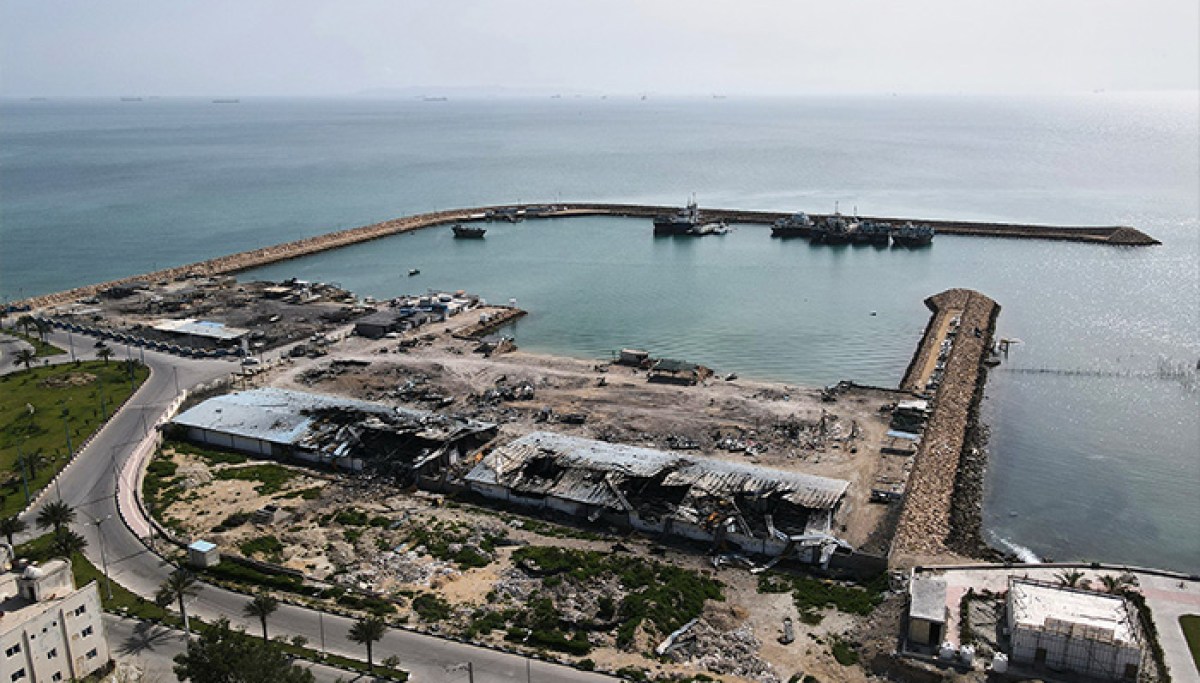
- Despite U.S. and Israeli airstrikes, Iran's nuclear weapons program and its ability to produce drones and ballistic missiles were not fully destroyed.
- Iran's rapid missile supply replenishment surprised U.S. and Israeli forces, underscoring the need to deter adversaries before they gain significant capabilities.
- Striking Iran's defense industrial base was a key strategy in the 40-day war, differing from previous operations focused on military targets.
- Air campaigns have limitations, as evidenced by Iranian missiles evading defenses and causing civilian casualties.
- It is difficult to completely destroy an adversary's capabilities in a short timeframe, suggesting the need for prolonged conflict.
- U.S. forces may have underestimated Iran's ability to target American assets, possibly with assistance from Chinese satellites and Russian intelligence.
- The Pentagon needs to invest in countermeasures, decoys, and hardened shelters to protect military assets and troops.
- High-level coordination between the U.S. and Israel marked a success, increasing trust and potentially serving as a model for future alliance warfare.
- The joint mission led to U.S. influence on war goals and ceasefire decisions, raising questions about Israel's military autonomy and aligned interests.
- The war underscored Israel's dependence on U.S. military aid amid calls to deny such assistance.
- Israel's need for American help is heightened by fighting on multiple fronts and depleted ammunition supplies.
- The conflict presented a reality check for the U.S. on the cost-effectiveness of quality versus quantity in weaponry.
- Finding cheaper ways to protect against missiles and drones is essential.