health
March 13, 2026
Mining's toxic timebomb: dams full of poisonous waste are dotted around the world. What happens when they burst?
While tailings dams are meant to last for ever, extreme weather events are making many unstable – with devastating consequences for nature and humans
TL;DR
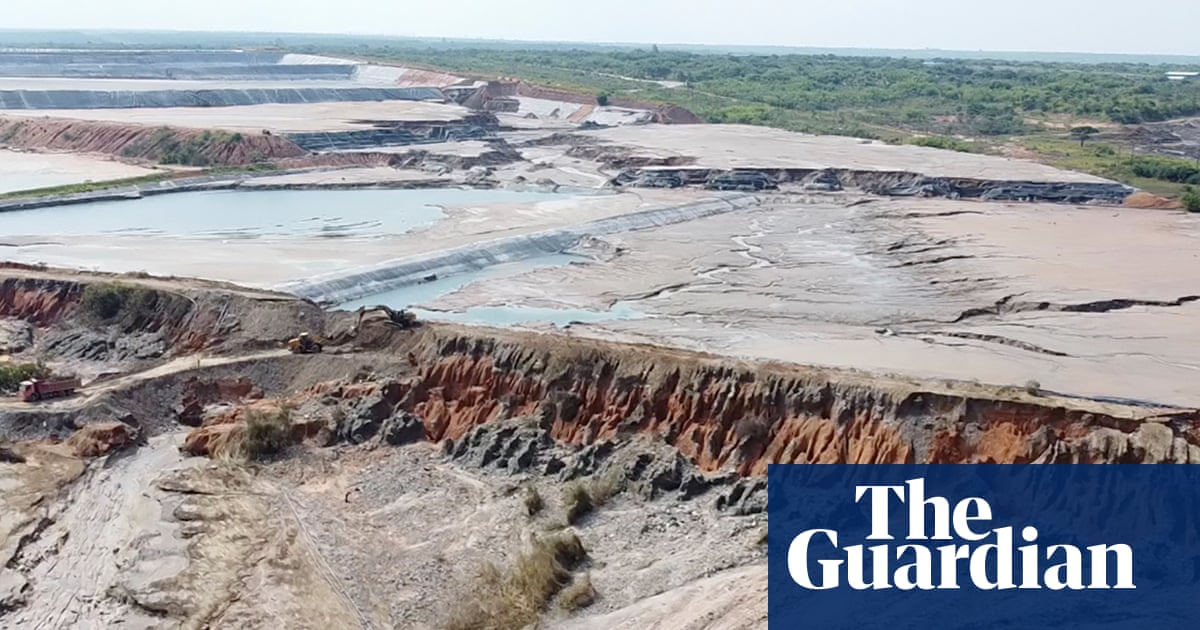
- A tailings dam collapse in Zambia released toxic waste into the Chambishi stream, killing fish and wildlife and contaminating drinking water.
- Tailings dams, designed to store mining waste indefinitely, are becoming increasingly unstable due to extreme weather events linked to climate change.
- At least 108 tailings dams are located in key biodiversity areas globally, increasing the risk of ecological devastation.
- Past dam failures in Brazil have resulted in significant loss of life and widespread environmental damage.
- Heavy metals in tailings dams do not degrade and can accumulate in food chains, harming ecosystems.
- Many tailings dams are built in valleys and are inherently less stable than water dams, posing a risk of catastrophic slurry release.
- Institutional investors are pushing for greater transparency and improved safety standards in tailings dam management.
- Despite industry efforts to improve standards, a minority of tailings dams are likely to meet new safety benchmarks.
- An investigation into the Zambian dam collapse found a lack of qualified engineering management, indicating potential negligence.
Continue reading the original article