health
A Long-Standing Theory of Childbirth Is a Myth
As billions of people can attest, giving birth is hard for humans. Our infants have an exceptionally large head for their body size and yet have to squeeze through a very narrow pelvis. Appendages can get stuck; bones can fracture. At worst, the consequences can be lethal for mothers or babies. Until recently, many researchers believed that our species weathered that particular hardship alone: Other primates, they supposed, didn’t need to strike the same compromise between super-brains and walking upright, and so could birth babies with relative ease. But new evidence has started to challenge the notion that human childbirth is uniquely dangerous.
TL;DR
- New evidence suggests human childbirth is not uniquely dangerous compared to other primates.
- Previous research by Adolph Schultz underestimated birth difficulties in other primates due to methodological flaws.
- Some primates, like tamarins and bush babies, must birth infants whose heads are proportionally larger relative to their mother's pelvis than human infants.
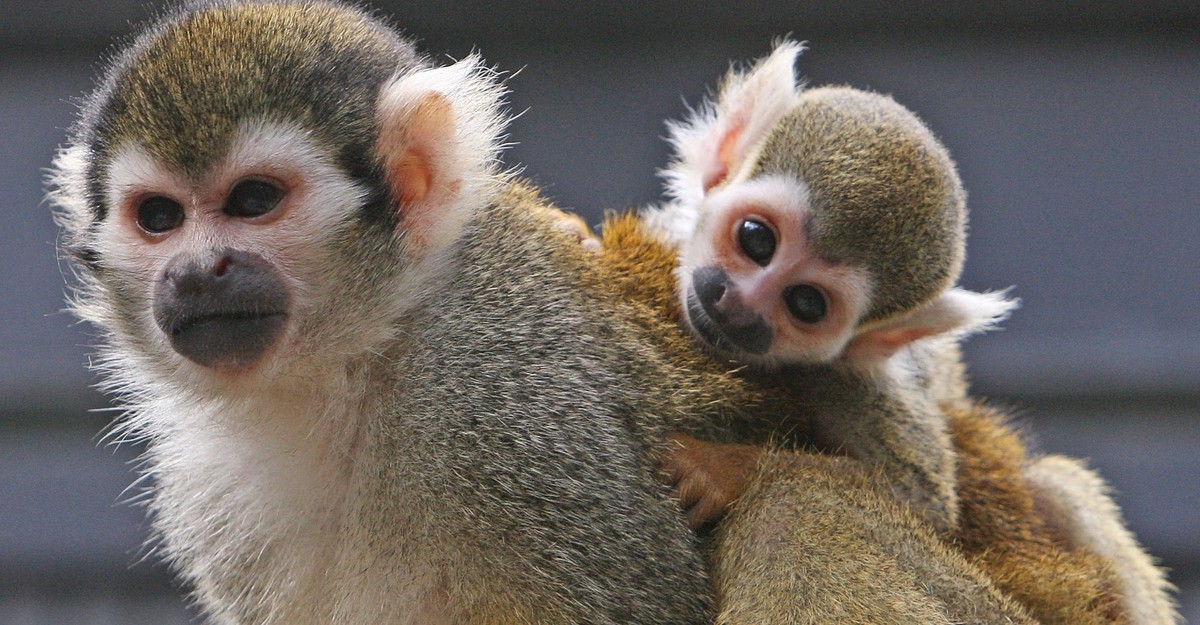
- Squirrel monkeys can have infant mortality rates exceeding 34% in captivity, with babies sometimes getting stuck during birth.
- Other primates have evolved anatomical workarounds, such as delivering face-first or dislocating their pelvis, which are not options for humans.
- Human ability to monitor pregnancies, attend births, and intervene medically (including surgery) sets us apart in managing childbirth complications.
- Despite difficulties, humans have successfully reproduced in large numbers, suggesting an evolutionary mastery of the birth process.