How did Eurovision go from sequins and flares to geopolitical slugfest?
The contest is enduring the biggest boycott it has ever seen, but 2026 is far from its first year of controversy
TL;DR
- Eurovision, originally intended to foster European harmony, has become a site of geopolitical disputes and boycotts.
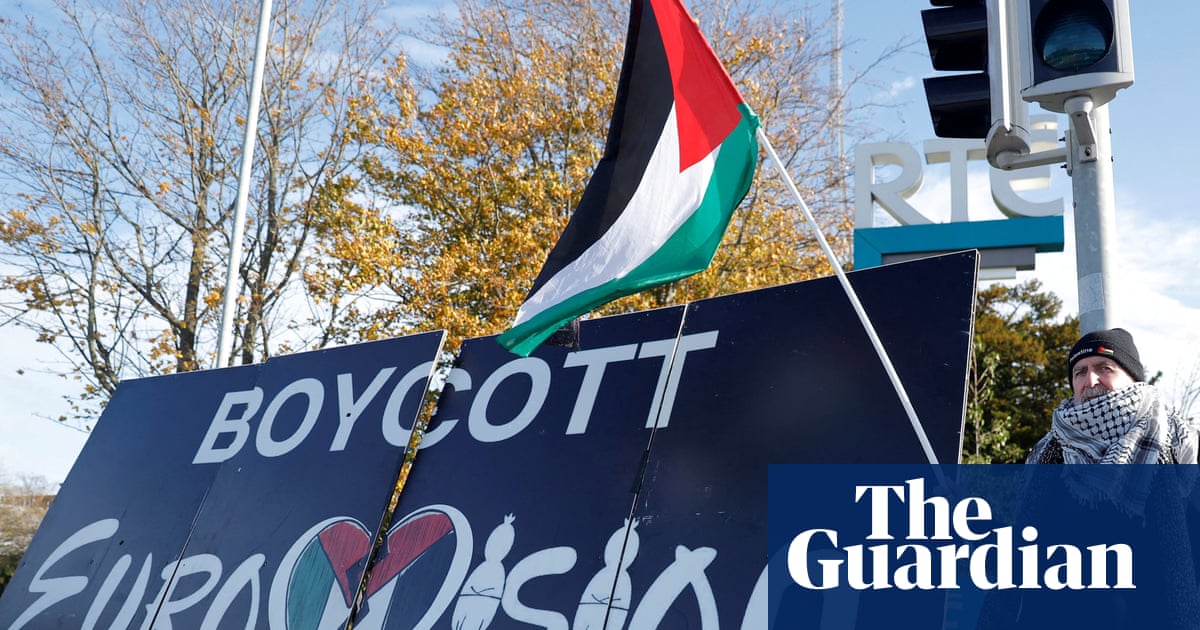
- This year's contest faces its largest-ever boycott, with five countries withdrawing in protest of Israel's participation amid the Gaza conflict.
- Past controversies include Austria's boycott of Franco's Spain in 1969 and tit-for-tat boycotts between Greece and Turkey.
- The European Broadcasting Union (EBU), which runs Eurovision, is criticized for being unable to manage politicization.
- The contest's founding in 1956 was driven by a desire to prevent future wars and foster European unity.
- Political tensions have surfaced through protests, coded lyrics, and national rivalries manifesting on and off stage.
- Ukraine has explicitly used Eurovision as part of its 'war effort,' treating singers as ambassadors.
- Despite controversies, Eurovision remains a significant platform for cultural exchange and a way for smaller nations to compete on a global stage.