Vaccine panel's hepatitis B vote signals further turbulence for immunization policy, public trust
December 12, 2025 / 5:00 AM EST / KFF Health News
TL;DR
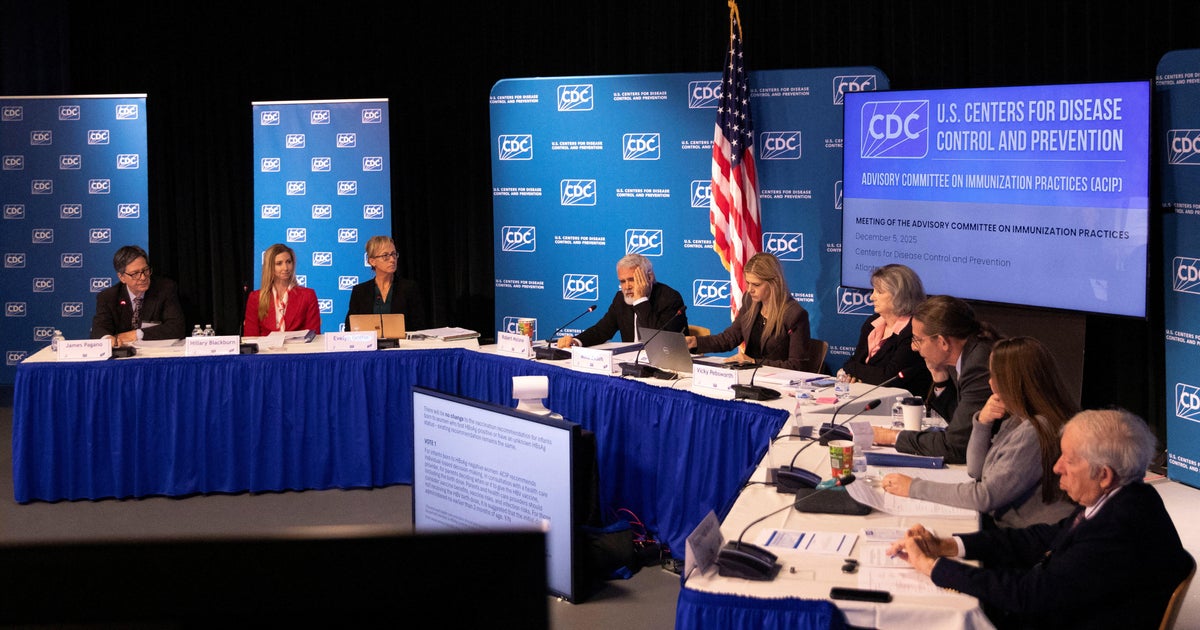
- The CDC's Advisory Committee on Immunization Practices (ACIP) voted to change the universal recommendation for the newborn hepatitis B vaccine dose.
- The new policy reserves the birth dose for infants born to mothers who test positive for hepatitis B, with others having the option to delay until 2 months.
- Critics argue this change, influenced by individuals with anti-vaccine ties, could reverse decades of progress in preventing hepatitis B infections, which can lead to liver cancer and death.
- Hepatitis B can spread through ordinary family contact and household surfaces, making universal vaccination crucial.
- Past risk-based vaccination strategies for hepatitis B failed to contain transmission effectively.
- The universal birth dose, implemented in 1991, has led to a greater than 99% drop in pediatric hepatitis B infections in the U.S.
- Concerns exist that the shift to parental choice may disproportionately affect vulnerable populations and that testing alone cannot guarantee protection due to potential false negatives and logistical failures.
- The United States is now the only country to abandon a universal hepatitis B birth dose recommendation.