Iran chaos proves solving ambassador shortage is an urgent need
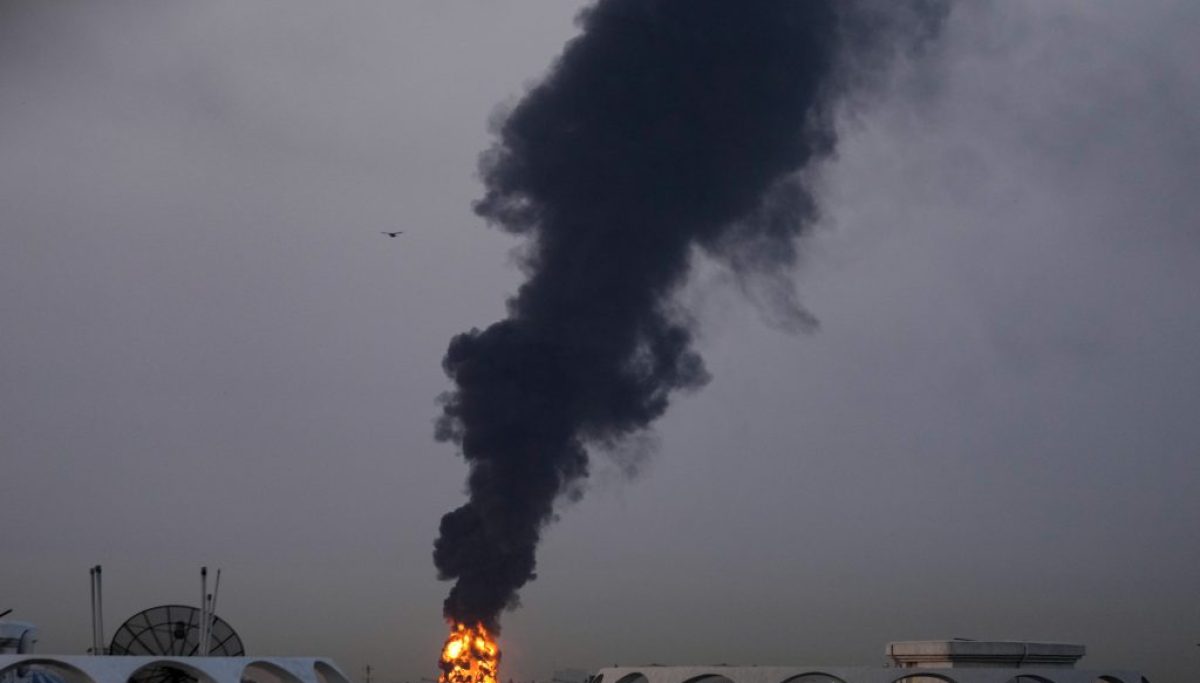
Before the dust even settled from the U.S. and Israeli airstrikes that killed Iran’s Supreme Leader Ali Khamenei, the Iranian Revolutionary Guard Corps began firing thousands of missiles and drones across the Middle East at not just military sites, but at embassies, international airports, and hotels. Several of the U.S.’s closest Arab partners in the region — the United Arab Emirates, Kuwait, Qatar, Iraq, Saudi Arabia, and others — quickly came under attack.
TL;DR
- Over 100 U.S. embassies are currently operating without a Senate-confirmed ambassador.
- The absence of ambassadors weakens U.S. diplomatic leadership, creating opportunities for rivals like China to expand their influence.
- Examples in Panama and Africa illustrate how unfilled ambassadorships can lead to diminished U.S. presence and increased foreign influence.
- The failure to fill diplomatic posts has persisted across administrations and is exacerbated by political roadblocks.
- Confirming ambassadors is crucial for U.S. economic security and national security, as demonstrated by positive outcomes when ambassadorships are filled.