tech
January 10, 2026
From final boss battles to the dangers of open-world bloat, TV and film can learn a lot from video games
In this week’s newsletter: Stranger Things’ climactic showdown is the latest pop culture spectacle to feel like its been ported straight from a console. The industries’ reciprocally influential relationship can be to everyone’s gain
TL;DR
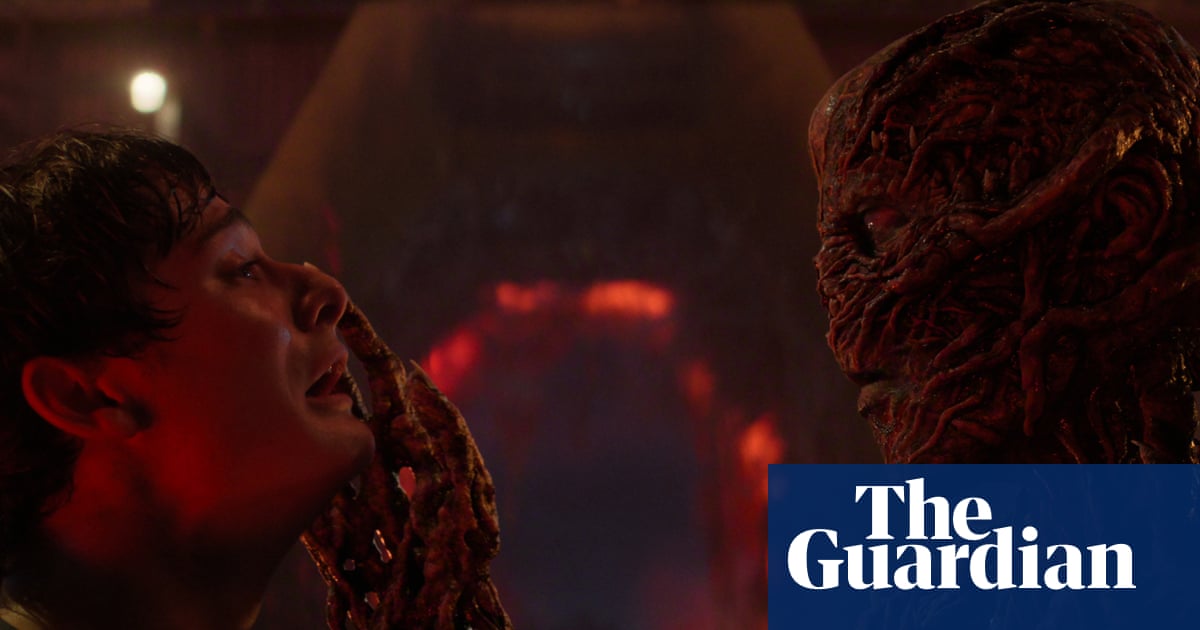
- Stranger Things' finale, like many contemporary shows and films, exhibits characteristics of a video game, such as a 'final boss battle' and pacing reminiscent of games like Resident Evil.
- The relationship between video games, TV, and film is now reciprocal, with older generations of gamers influencing creative decisions and adaptations becoming less terrible.
- Movies like Edge of Tomorrow, Mad Max: Fury Road, and John Wick 4 are described as having video game-like qualities, often as a compliment.
- The author criticizes Stranger Things for its bloat, excessive characters, and pacing issues, comparing it unfavorably to an overlong open-world game.
- The decline in licensed video game tie-ins for movies and TV shows is attributed to rising development costs and the fact that TV shows now often feel like games themselves.
- The game Indika is highlighted for its surreal narrative, exploration of complex themes, and subversion of typical gamer expectations.
- Recent data indicates stagnation at the top of the video game market, with older titles dominating playtime, leading publishers to struggle with creating successful live-service games.
- David Rosen, co-founder of Sega, passed away at 95.
- Hollow Knight: Silksong won a "Sit Back and Relax" award at Steam's awards.
Continue reading the original article