The Guardian view on Trump’s omnipresence: commanding attention like a king
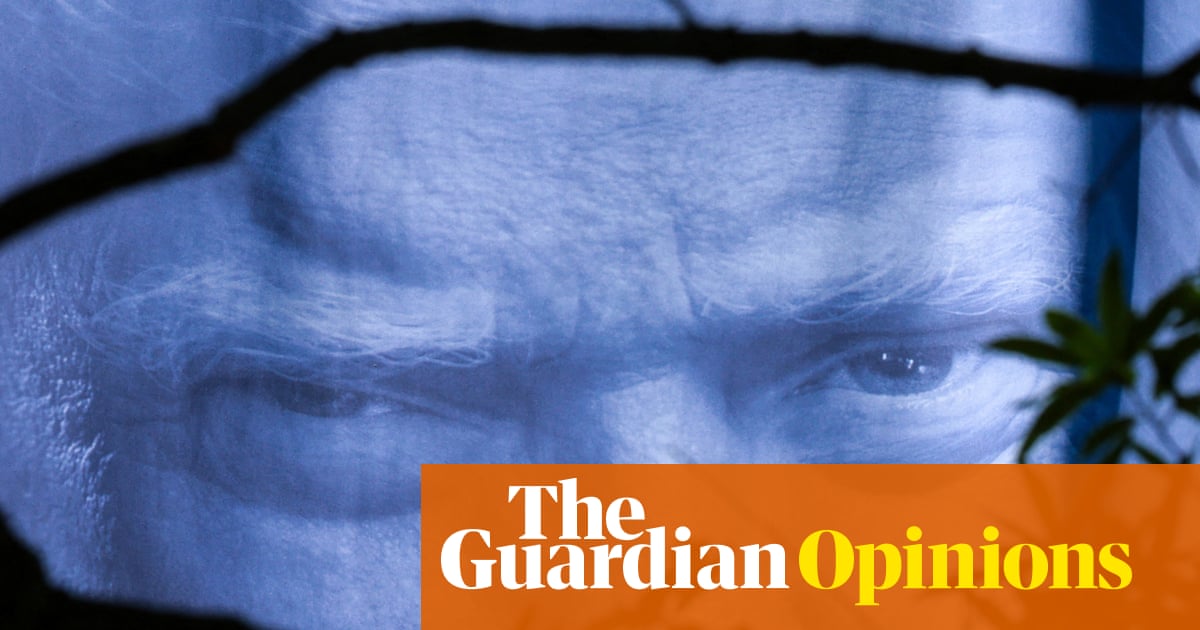
The president’s image and name are proliferating in Washington and beyond, overturning well-advised democratic taboos on glorifying sitting leaders
TL;DR
- Authoritarian regimes use the ubiquity of their leader's image, seen in countries like North Korea and Turkmenistan.
- Thriving democracies typically avoid glorifying leaders while they are in power, with George Washington refusing to appear on currency.
- The Trump administration proposed a $250 bill depicting Trump and his signature will appear on $100 bills, both firsts for a sitting US president.
- Banners with Trump's face appeared at federal departments, and he reportedly offered infrastructure funds in exchange for renaming federal locations.
- Trump is associated with a monument-building spree, including a $1.4bn White House ballroom project.
- The article suggests Trump's actions may be driven by vanity, brand-building, or sycophantic attempts at ingratiation.
- Research on propaganda in the UAE and China suggests that overt displays of leaders' images may not increase compliance or support and could even backfire.
- Pew Center research indicates only 9% of Americans found it acceptable to name government buildings after Trump while in office.
- Quinnipiac polling suggests 68% of voters felt Trump was not focusing enough on their problems.