unknown
January 26, 2026
Silence and Cry review
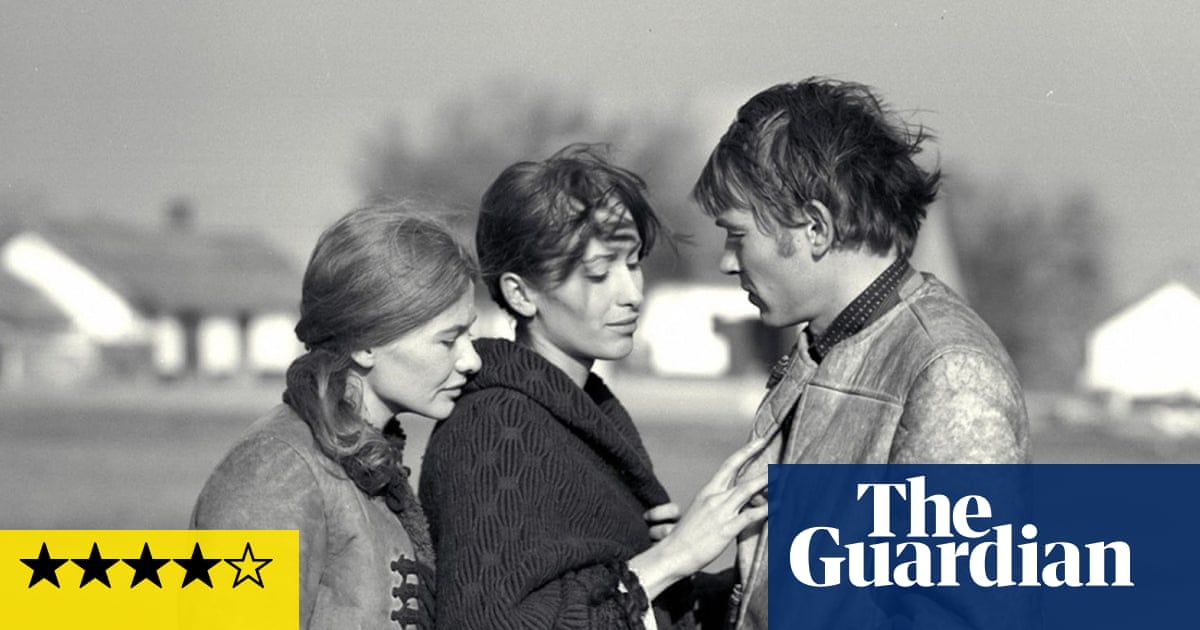
Director Miklós Jancsó creates a bizarre psychodrama set after the fall of the 1919 Hungarian Soviet republic, encompassing postwar trauma and erotic overtones
TL;DR
- The film implicitly contrasts Hungary's postwar Soviet present with its 1919 political history.
- It is described as a somnambulist ballet with psychological trauma and erotic overtones.
- The setting is the vast, desolate Hungarian plain, depicted as a single, immense stage.
- Characters are shown arriving from and departing to great distances, emphasizing the expansive landscape.
- The camerawork features sinuous movements and long, unbroken takes.
- The story involves a fugitive soldier, István, hiding from nationalist anti-communist forces.
- He is harbored by two sisters who are secretly poisoning István's host and his mother.
- An army officer, Kémeri, is aware of István but seemingly overlooks his presence.
- The film emphasizes a miasma of fear and horror, with soldiers menacing locals and houses being torn down.
- Collective punishment and "rabbit jumps" are shown as forms of retribution.
- A commandant forces civilians to inspect and handle dead bodies, a ritual of humiliation and degradation.