tech
How Trump put America back in space, and what comes next
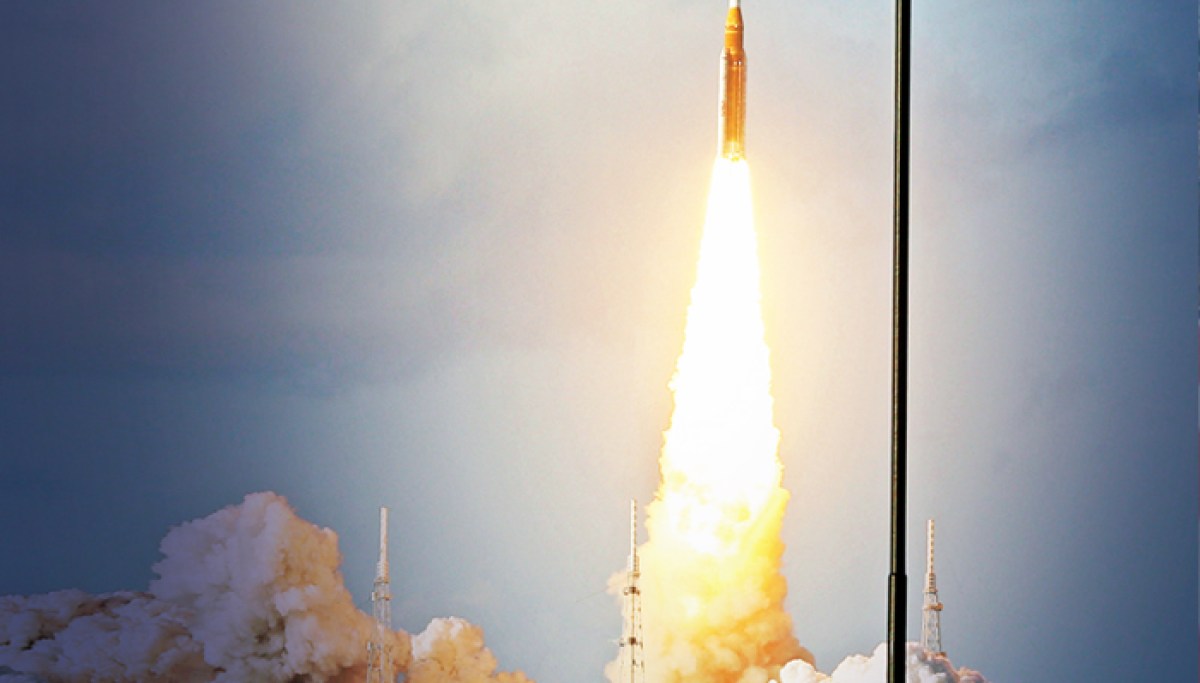
The Artemis II mission did not emerge from thin air. It was the product of a deliberate political choice made nearly a decade ago, when a first-term President Donald Trump decided that America’s human spaceflight program had grown too small in its ambitions. The Obama years had seen NASA steered toward an asteroid mission of uncertain purpose. Trump changed that, pointing the agency back at the moon and, beyond it, Mars.
TL;DR
- The Artemis II mission successfully sent four astronauts on a journey beyond the moon, marking the farthest humans have traveled from Earth since 1972.
- The mission, a result of a deliberate political decision made nearly a decade ago to reorient NASA's focus towards the moon and Mars, was met with widespread national celebration.
- Artemis II served as a comprehensive systems validation for the Orion spacecraft and Space Launch System rocket, proving their capability for deep space travel.
- The mission highlights a renewed space race, particularly with China's stated goal of landing astronauts on the moon by 2030, with strategic implications for resources like water ice at the lunar south pole.
- Experts like astrophysicist Brian Keating emphasize the technical significance of Artemis II but caution that current budgets may not support the ambitious long-term goals, risking the program's decay into routine.