health
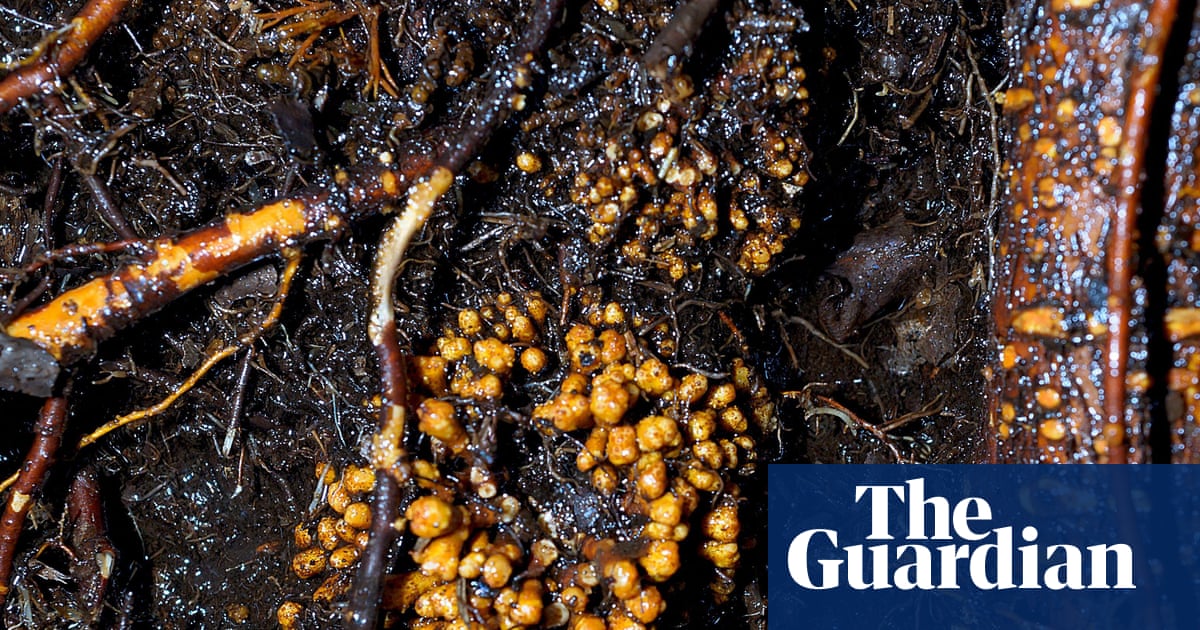
Subterranean fungi networks more than 100 quadrillion km in length, study finds
First ever global mapping of arbuscular mycorrhizal fungi shows scale of hyphal systems that sustain plant life
TL;DR
- Arbuscular mycorrhizal fungi networks are estimated to be 110 quadrillion kilometers long, nearly 750 million times the Earth-sun distance.
- These fungi form essential partnerships with over 70% of plants, providing nutrients and water in exchange for carbon, and help regulate climate by drawing carbon into soils.
- The first global map of these networks, created using machine-learning models and data from over 16,000 soil cores, reveals their vast scale.
- Agricultural practices, particularly tilling and the use of fertilizers and fungicides, can reduce fungal network densities by up to 47.3% compared to wild ecosystems.
- Loss of fungal networks can lead to reduced carbon storage in soils, diminished nutrient distribution, and increased chemical runoff into waterways.
- Grasslands, including areas like the Everglades and the Sudd, were found to have the densest hyphal systems, but these regions are often poorly protected.
- Protecting and supporting soil fungi could reduce the need for fertilizers in agriculture and enhance carbon storage.
- The research aims to provide benchmarks for healthy microbial communities and inform efforts to restore underground fungal ecosystems.