Zebras, wealth and power: Hungary’s election tests Orbán’s grip on power
Corruption scandals and a surging opposition have turned the vote into the biggest test yet for the long-serving populist leader
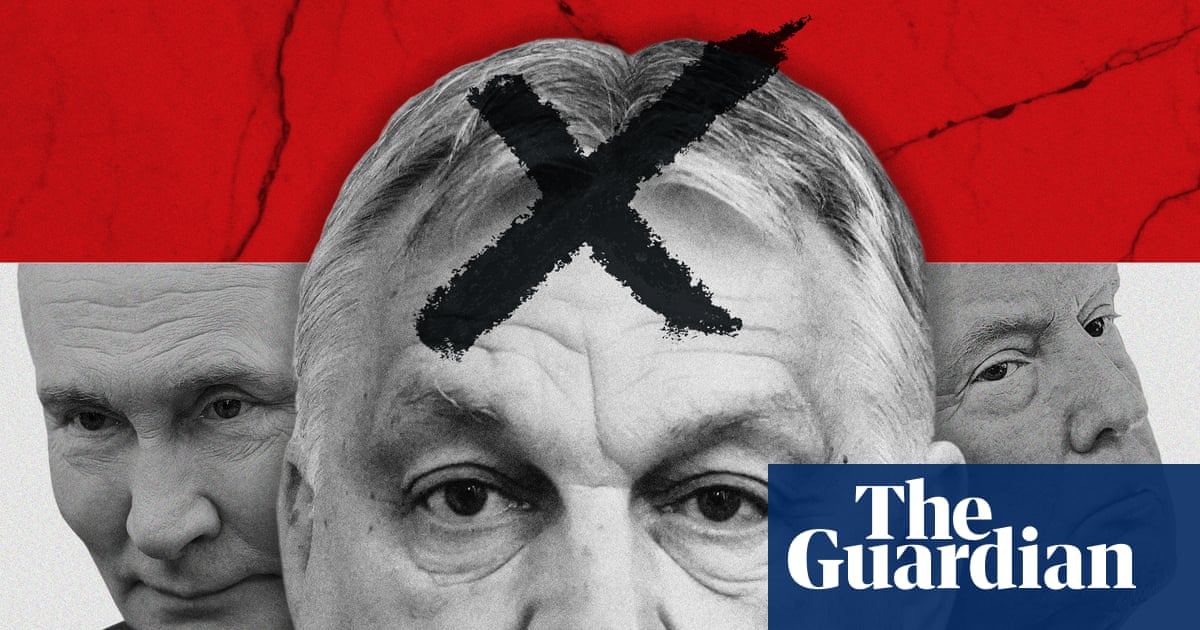
TL;DR
- An upcoming election in Hungary is seen as highly consequential, potentially ending Viktor Orbán's 16-year rule.
- A surging opposition movement, fueled by corruption scandals and economic issues, has gained significant traction.
- The election is considered a referendum on Hungary's democratic values and its relationship with the EU.
- Orbán's government has been accused of weakening democratic institutions and capturing state services through clientelism and media control.
- Péter Magyar's Tisza party has emerged as a strong contender, focusing on domestic issues and anti-corruption promises.
- Orbán has sought to project himself as a guardian of peace, while the opposition emphasizes repairing ties with the EU.
- The outcome could have ripple effects on global far-right movements, with endorsements from international leaders.
- Concerns remain about potential vote manipulation and the lasting impact of Fidesz's institutional influence.
- Regardless of the result, the election signifies a reckoning with Hungary's trajectory towards illiberalism.