Stanford Study Pinpoints Cause of Vaccine-Linked Myocarditis and a Possible Fix
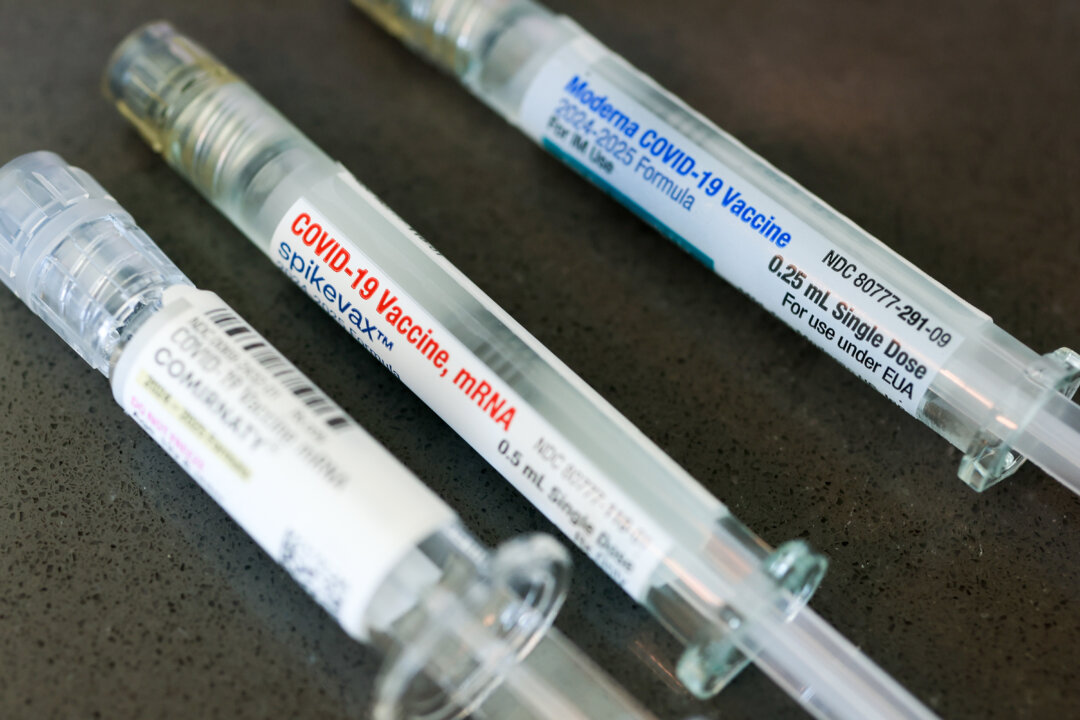
Myocarditis from COVID-19 vaccines is caused by two chemicals acting together, according to a new Stanford study published on Wednesday.
TL;DR
- A Stanford study identified two chemicals, CXCL10 and IFN-gamma, acting together to cause myocarditis from mRNA COVID-19 vaccines.
- These chemicals are released by immune cells after encountering the vaccine's foreign mRNA.
- The two-step process involves macrophages releasing CXCL10, followed by other cells releasing IFN-gamma, leading to heart cell injury.
- In mice studies, higher concentrations of mRNA vaccines caused heart damage and inflammation in other organs.
- Genistein, a compound from soybeans, prevented heart damage in mice vaccinated, suggesting a potential prophylactic measure.
- Genistein acts as a weak phytoestrogen, potentially protective against myocarditis, which primarily affects young men.
- Other potential causes of myocarditis from vaccination, such as autoimmunity and spike protein interactions, are still being researched.
- Dr. Peter McCullough noted the study did not investigate why mRNA vaccines trigger the release of these chemicals.