Study explores links between 19th-century Manchester workers and enslaved Africans in Caribbean
Global Threads research project reveals how slavery hung ‘like a spectre’ over the Peterloo massacre and other Mancunian struggles for equality
TL;DR
- The Global Threads study links the exploitation of enslaved Africans in the Caribbean with the struggles of cotton workers at the Peterloo massacre.
- Key figures like Hugh Hornby Birley and Sir George Philips had family and business fortunes deeply intertwined with transatlantic enslavement.
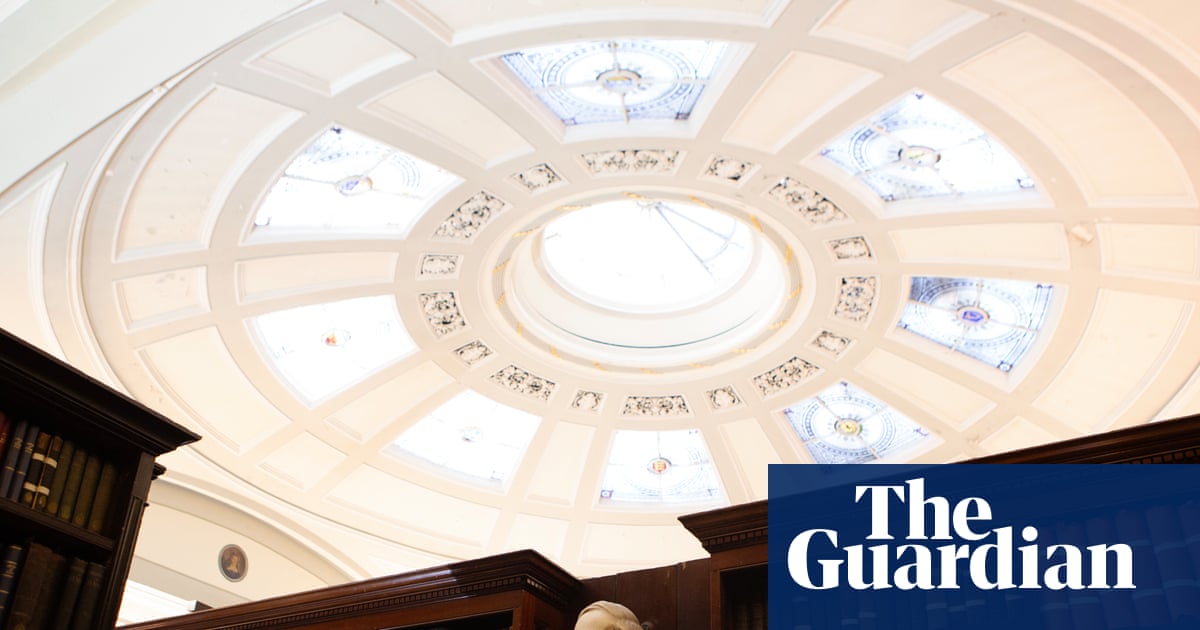
- The Portico Library in Manchester, a hub for the city's business elite, was associated with individuals whose wealth came from colonialism and slavery.
- Robert Wedderburn, a Black abolitionist, recognized and articulated the connections between the forces exploiting Manchester workers and those imposing slavery.
- The Peterloo massacre, a protest for political representation, occurred while workers faced disenfranchisement and economic hardship, conditions mirrored by enslaved Africans.
- Birley's family profited from estates funded by slave voyages, and supported the US Confederacy due to cotton interests.
- Wedderburn's family also owned plantations in Jamaica, with links to textiles manufactured in Manchester.
- Wedderburn saw the Peterloo massacre as part of a larger transatlantic struggle for liberation and justice.