tech
How a Lush Miami Park Was Designed to Keep Flooding at Bay
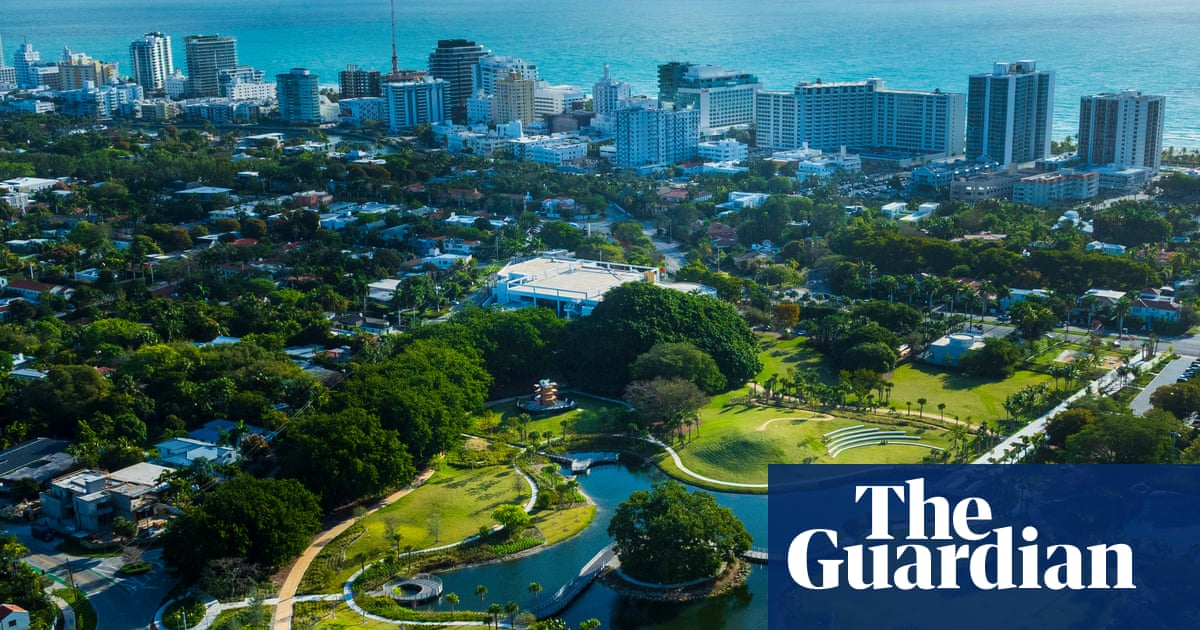
As the climate crisis intensifies the storms lashing south Florida, it is imperative to design spaces that soak up the water. The 19.4-acre Bayshore Park is an example of how to design spaces that protect from and connect residents to nature
TL;DR
- Bayshore Park in Miami Beach is designed to absorb floodwaters caused by heavy rains, increased storms, and sea level rise linked to the climate crisis.
- The 19.4-acre park, built on a former golf course, integrates nature and culture, featuring a lake, a century-old banyan tree, and recreational facilities like tennis courts.
- The park's design utilizes hills made from dredged lake soil, a lake that can hold floodwaters, and a perimeter walking path that functions as a levee.
- Nearly all surfaces, including parking lots and walkways lined with coconut sand, are designed to absorb water, with permeable pavers fabricated locally.
- The park provides habitat for butterflies and insects, preserves mature trees for shade, and features plantings that can survive inundation.
- A key design element is the preservation of the banyan tree with an elevated boardwalk to protect its root system.
- The park offers a rare sunset view in Miami Beach, which typically faces east, and integrates tennis courts discreetly.
- Bayshore Park serves as a sustainable model, adding recreation and community programming while holding water and preventing pollution of waterways.