More than a page: How a simple story can shape a childhood
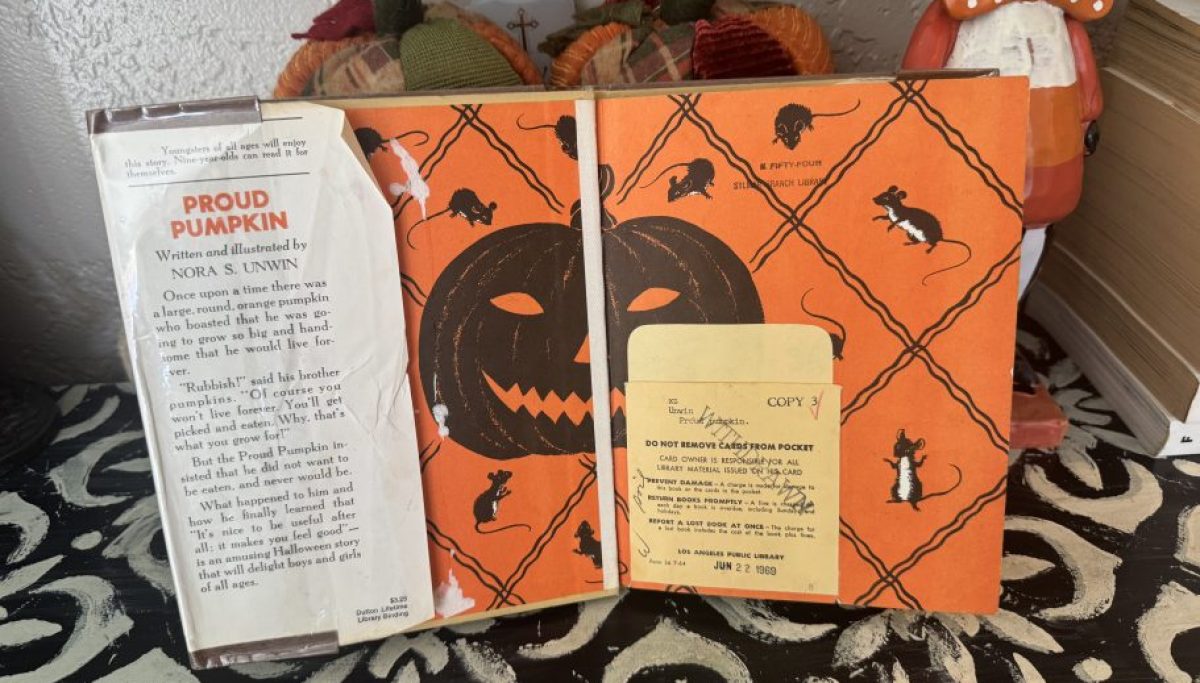
PITTSBURGH — In the late 1980s and early 1990s, my daughter, Shannon, and my son, Glenn, loved a book at the Carnegie Library on the North Side of Pittsburgh called Proud Pumpkin, a 1953 children’s book written and illustrated by artist Nora S. Unwin.
TL;DR
- The author's children, Shannon and Glenn, loved the 1953 children's book "Proud Pumpkin" from the Carnegie Library in Pittsburgh.
- The book, never sold to the public, was reserved annually to mark the arrival of fall and teach lessons about pride, usefulness, and purpose.
- The story of a proud pumpkin who becomes a home for a chipmunk served as an allegory for individuals facing obsolescence, mirroring the decline of Pittsburgh's mills.
- The author later found a rare copy of the book for her grandchildren, recognizing its timeless value.
- Allegorical children's literature, like "Proud Pumpkin," endures because its profound meanings resonate with readers as they grow, offering wisdom about change and purpose.