‘The house got carried 100 metres away’: some Nepal flood victims had minutes of notice. Others had seconds
Bhagat Lal, 68, has a son studying in Brisbane. Other relatives are missing, while their house was found washed up on the river.
TL;DR
- The death toll in Nepal and Tibet has reached 781, with over 3,000 people missing, including 43 Australians.
- Helicopters are central to the response, bringing survivors and supplies, and carrying the dead for family identification.
- Australia has contributed significantly to aid efforts, with additional funding announced.
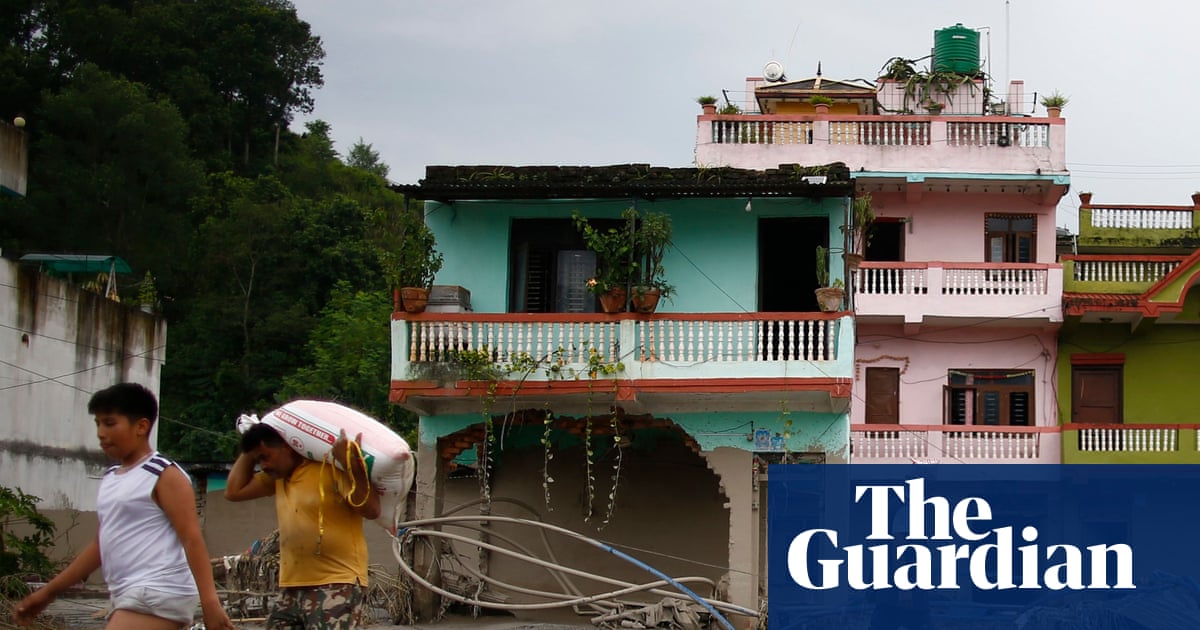
- The humanitarian crisis is immense, with landscapes and lives reconfigured by the floods, destroying homes and villages.
- Aid distribution is tightly controlled by the government to ensure essentials are prioritized, learning from past disorganized responses.
- Some communities had only seconds of warning before the floods hit, leading to bodies trapped and difficult to identify.
- Survivors are congregating in relief centers or with relatives, as many villages are cut off and infrastructure like bridges has been destroyed.
- The Nepalese diaspora in Australia is significant, and candlelight vigils have been held.
- Organizations like Plan International are providing essential relief, including water tanks, and planning for educational materials and psychosocial support for displaced children.
- The scale of destruction is immense, but the unity of people in Nepal and the support from the global community, particularly Australia, offer a boost to relief workers.