health
February 5, 2026
Postcard-pretty … and filled with pollution: how Brazil’s fishers are reviving Rio de Janeiro’s famous bay
A mangrove conservation project in Guanabara Bay has shown how a dying ecosystem can be transformed into a thriving sanctuary
TL;DR
- Guanabara Bay, a major feature of Rio de Janeiro, suffers from severe pollution due to raw sewage and waste from surrounding urban areas.
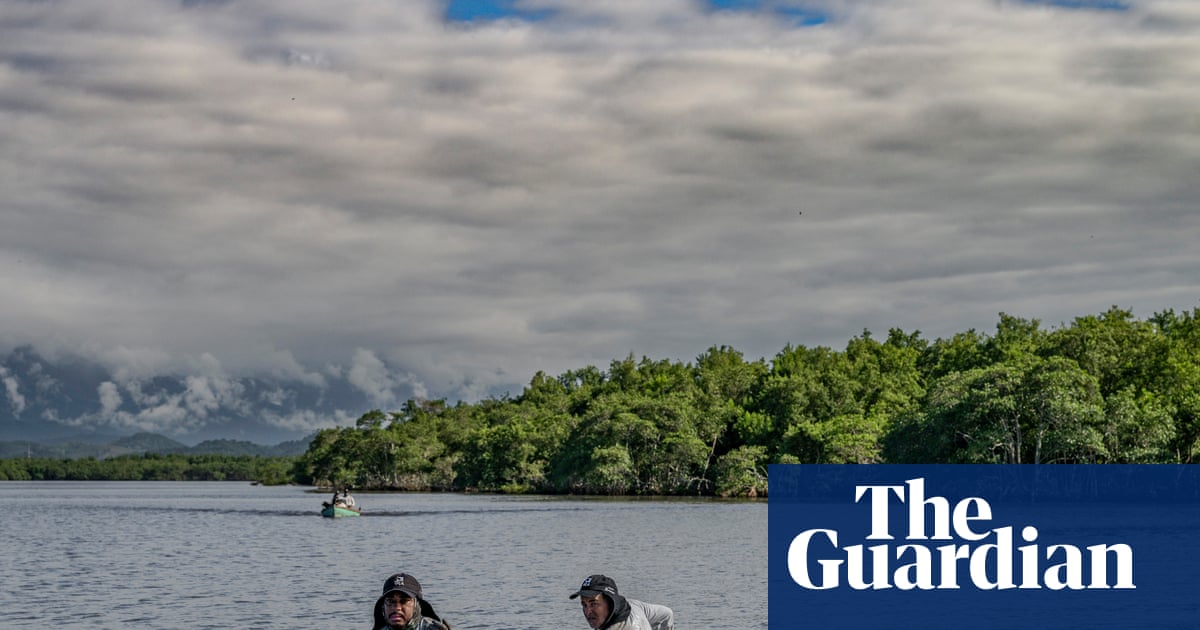
- The APA Guapi-Mirim, a protected environmental area within the bay, features thriving mangrove forests successfully restored by local fishers.
- Mangroves play a crucial role in filtering pollution, protecting coastlines, serving as nurseries for marine life, and acting as significant carbon sinks.
- Brazil possesses the second-largest mangrove area globally, with 87% now protected, following the establishment of APA Guapi-Mirim as the first mangrove-specific conservation area.
- Community-based restoration projects, involving local residents paid for their work, have restored hundreds of hectares of mangroves using effective transplanting techniques.
- Local communities are actively involved in cleaning up solid waste that harms the mangroves and their inhabitants, such as the Ucides cordatus crab.
- Despite risks from climate change and nearby industrial activities, the restoration efforts have led to improved biodiversity and coastal resilience in the APA Guapi-Mirim.
- The APA Guapi-Mirim's mangroves are presented as a symbol of resistance and successful ecosystem recovery against significant adversity.
Continue reading the original article