Iran’s Leaders Mostly Want a Deal
Sure, there’s “infighting,” but not along the lines many assume.
TL;DR
- The Trump administration's claim that Iran's internal infighting, specifically between military hard-liners and civilian diplomats, is causing negotiation deadlocks is a misleading oversimplification.
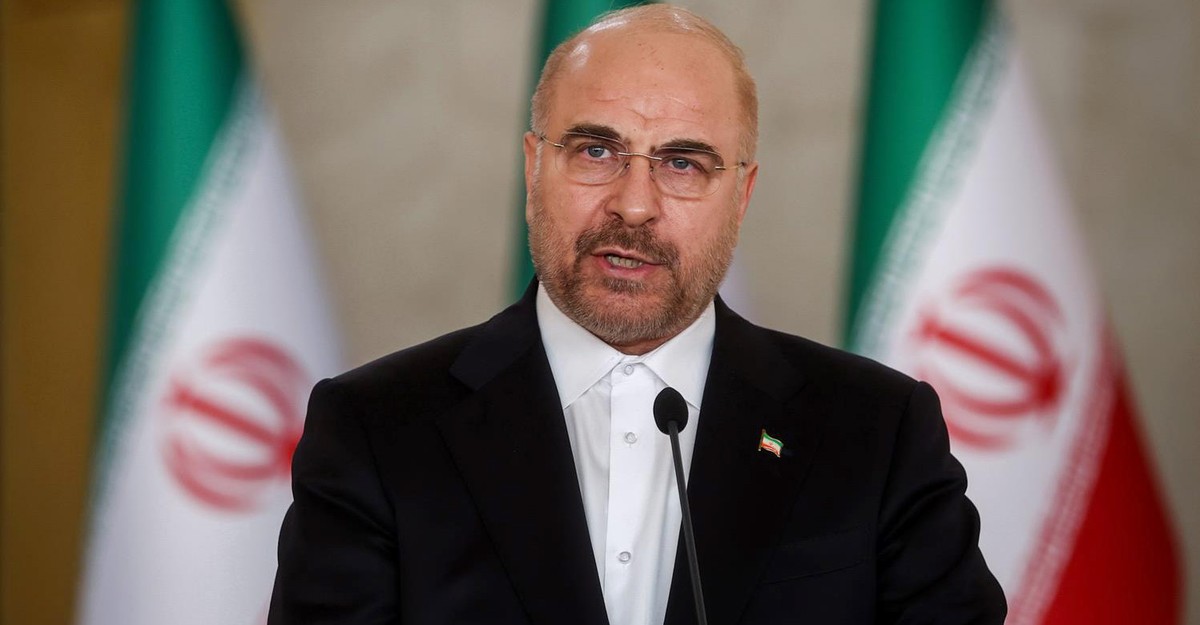
- Mohammad Baqer Qalibaf, Speaker of Iran's Parliament and a powerful figure with deep ties to the military and security circles, is presented as a key player in diplomacy with the U.S., despite his complex background.
- While some Iranian elites, like Saeed Jalili, oppose talks with the U.S., their influence appears limited, with a significant majority of Parliament members supporting Qalibaf and the negotiating team.
- The article suggests that Iran's hard-liners may lack the institutional leverage to completely derail diplomacy, although they could potentially mobilize their grassroots support.
- Despite internal disagreements, there is underlying support for negotiations from various factions within Iran, including Reformists, former President Hassan Rouhani, and religious leaders.
- The article concludes that while competition and compromise will play a role, the momentum and institutional power seem to favor diplomacy, rather than outright obstruction by hard-liners.