health
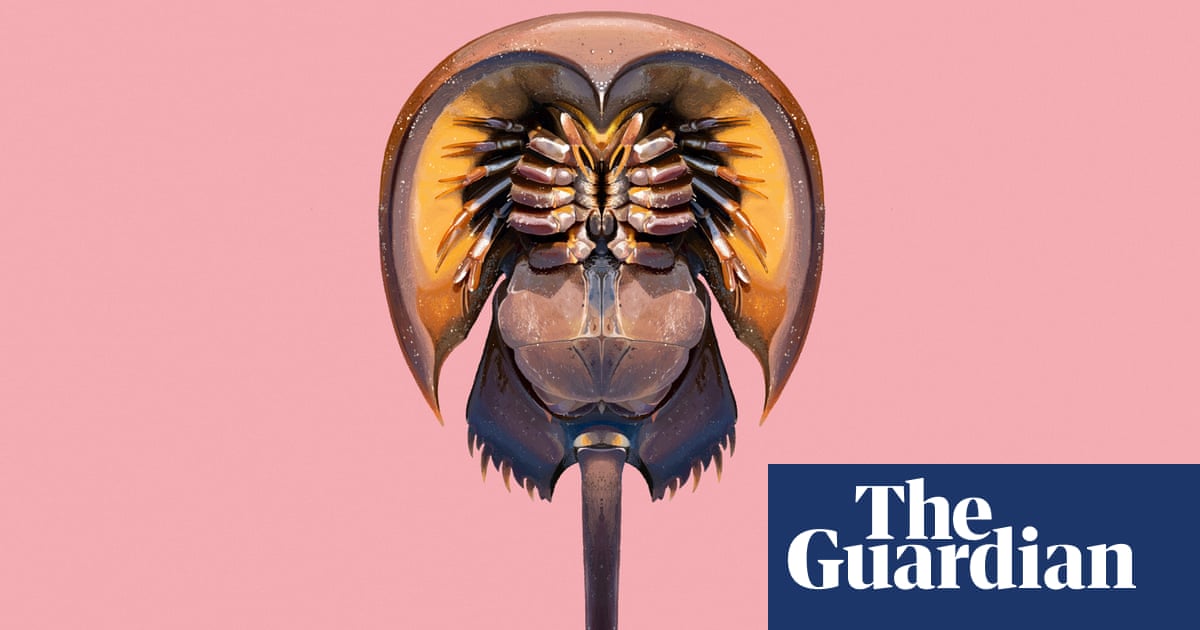
‘Living fossil’: the blue-blood arthropod that has changed little in 445m years
Tenacious and confounding, the horseshoe crab pre-dates dinosaurs and has copper-based blood vital to vaccine safety
TL;DR
- Horseshoe crabs are ancient arthropods, often called 'living fossils,' resembling prehistoric helmets and have existed for 445 million years.
- They are not true crabs but are more closely related to scorpions and have unique features like nine eyes and specialized legs.
- Their copper-based blue blood is vital for the biomedical industry, used to detect toxins in vaccines.
- Horseshoe crabs use beaches as nurseries, with females laying thousands of eggs that also serve as food for shorebirds.
- They face threats from sea level rise and coastal development, which impact their spawning habitats, but show remarkable resilience.
- Their scientific name is *Limulus polyphemus* in North America and *Carcinoscorpius rotundicauda* in Asia.