sports
How FIFA World Cup rules on extra time and tiebreakers work for 2026
The 2026 FIFA Men's World Cup gets underway Thursday, but some of the tournament's most memorable moments may come after the clock hits 90 minutes and extra time is added.
TL;DR
- Matches tied after 90 minutes go into 30 minutes of extra time (two 15-minute halves) with added time.
- Extra time applies from the round of 32 onwards; Group Stage matches can end in a draw.
- If still tied after extra time, a penalty shootout (best-of-five, then sudden death) determines the winner.
- The 'golden goal' rule, where the first team to score in extra time wins, was abolished in 2004.
- New rules for 2026 include a five-second countdown for delayed throw-ins and goal kicks.
- Substitutes have 10 seconds to leave the pitch; if they don't, their entry is delayed.
- Players treated for injury must leave the pitch for one minute after play resumes.
- Red cards can be issued for covering mouths, protesting referee decisions, or leaving the pitch when instructed by staff.
- Mandatory three-minute hydration breaks will occur 22 minutes into each half.
- VAR usage is expanded to review corner kicks, fouls before set pieces, and incorrect card decisions.
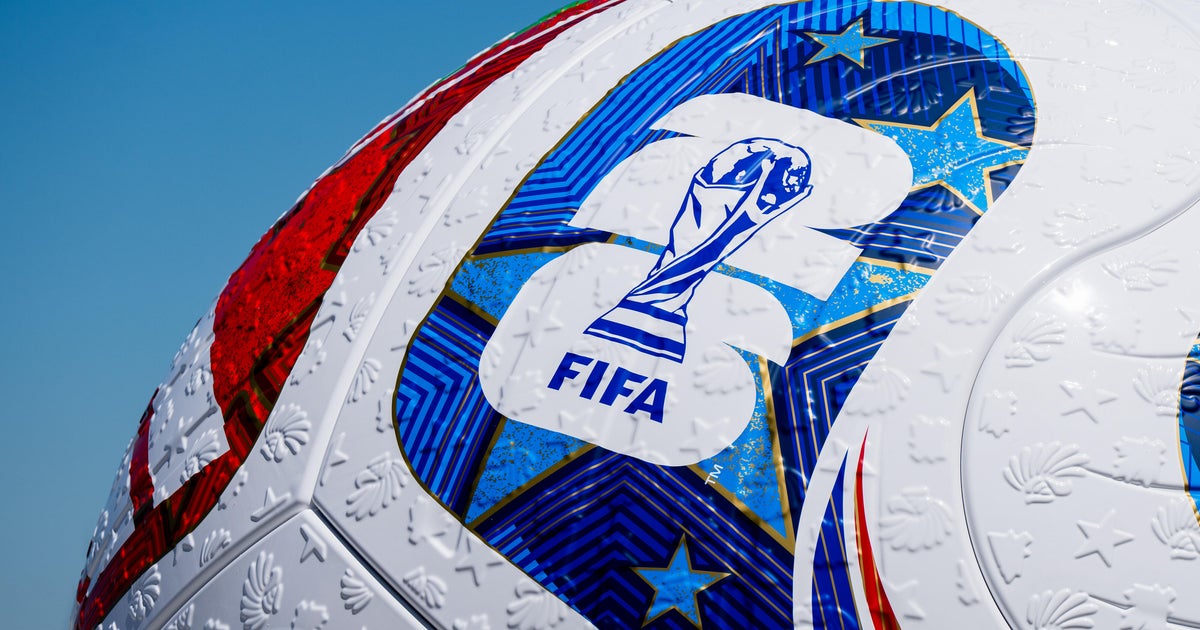
- The 2026 World Cup ball has a motion sensor chip to aid VAR analysis.