tech
December 20, 2025
The Future of Film Is Behind Us
There’s a scene near the start of Avatar: Fire and Ash that sums up the premise of the franchise, and its approach to making movies: Jake Sully, a colonialist Marine reborn as a blue-skinned freedom fighter, is trying to persuade his wife (also an alien) to accept the human weapons he’s found at the bottom of the ocean. As a proud Pandoran, she won’t touch the cursed technologies of the “sky people.” So instead he starts to strap grenades onto her wooden arrows, Rambo-style. This can be their compromise, he says: the traditions that she loves, but optimized for kicking ass.
TL;DR
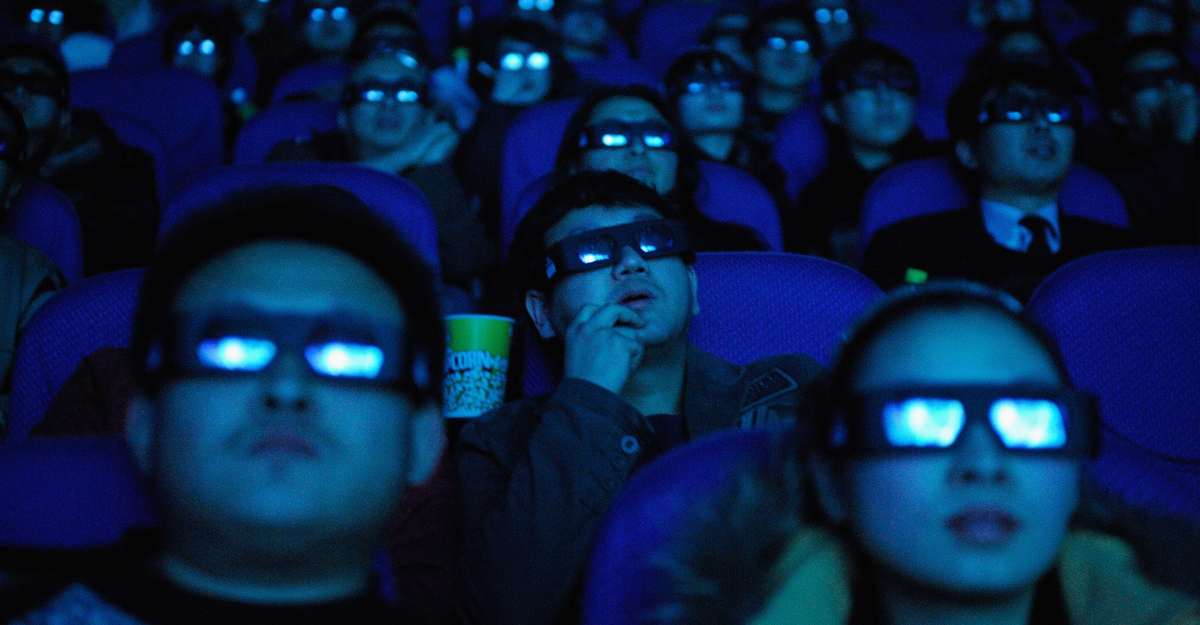
- The first "Avatar" movie in 2009 propelled 3D filmmaking, leading to industry-wide changes and a boom in 3D screenings.
- Major directors and auteurs experimented with 3D technology from 2011 to 2013, with 3D films winning cinematography Oscars.
- The 3D market collapsed due to issues like improper theater setups, conversion work diminishing quality, and directors playing it too safe.
- By the late 2010s, most filmmakers abandoned 3D, though the "Avatar" series remained a rare, highly successful exception.
- Current 3D releases are a small fraction of the market, almost exclusively post-production conversions, unlike the original wave of films shot in 3D.
Continue reading the original article