economy
March 11, 2026
How Iran has used the strait of Hormuz to throttle oil and gas
The Tehran regime has weaponised geography in retaliation for the attacks by the US and Israel
TL;DR
- Global oil markets have experienced significant price swings due to the conflict with Iran impacting the Strait of Hormuz.
- The Strait of Hormuz is a critical global trade artery for oil and gas, shipping over 20 million barrels of oil daily.
- Iran has threatened to disrupt shipping through the strait in retaliation for US-Israeli strikes, causing a halt in tanker traffic.
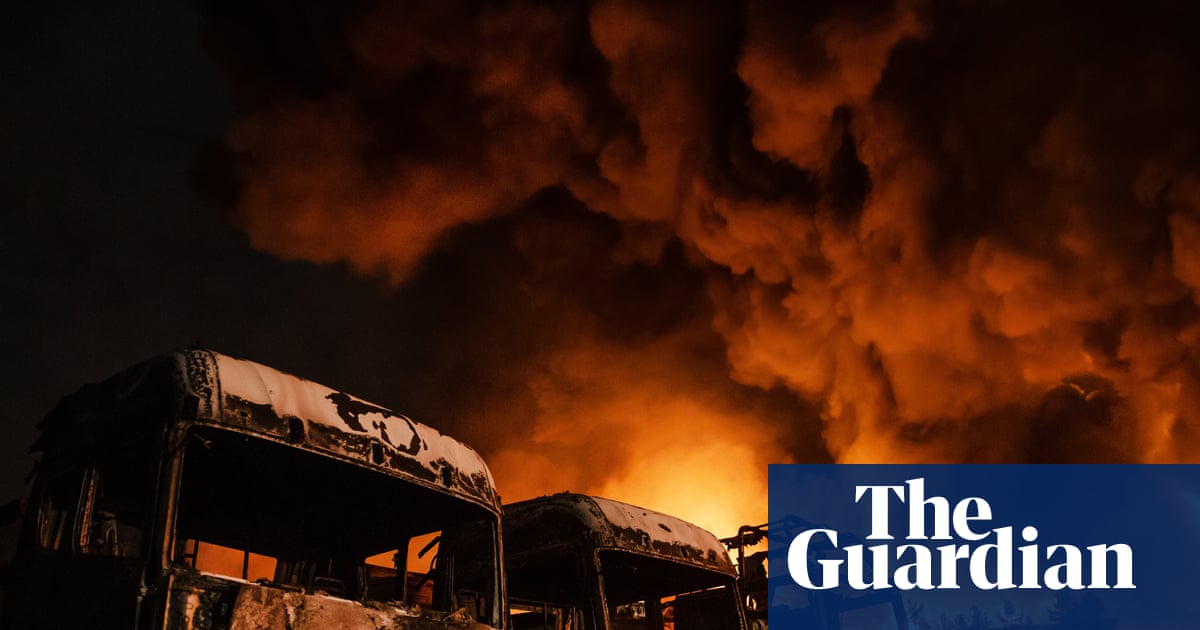
- Strikes on oil and gas infrastructure in Iran, Saudi Arabia, and Qatar have further compounded fears over supply disruption.
- Oil storage facilities in Saudi Arabia, UAE, and Kuwait are nearing capacity, potentially leading to oilfield shutdowns.
- Qatar's energy minister predicts Gulf energy exporters may shut down production within weeks if the disruption continues, leading to potential price hikes to $150 a barrel.
- China is the largest buyer of crude from the Strait of Hormuz and has amassed significant crude reserves, making it prepared for the crisis.
- Other countries like Pakistan, Bangladesh, and India are highly reliant on Middle Eastern gas and are implementing fuel conservation measures.
- G7 leaders met to discuss rising energy prices, with Brent crude briefly climbing above $100 a barrel before falling amid speculation of a swift end to the conflict.
Continue reading the original article