Military force has got the US nowhere with Iran – here is what a realistic negotiation would look like
Making a deal means the US finding a position that doesn’t threaten the Iranian regime’s survival. The alternative is a prolonged and damaging stalemate
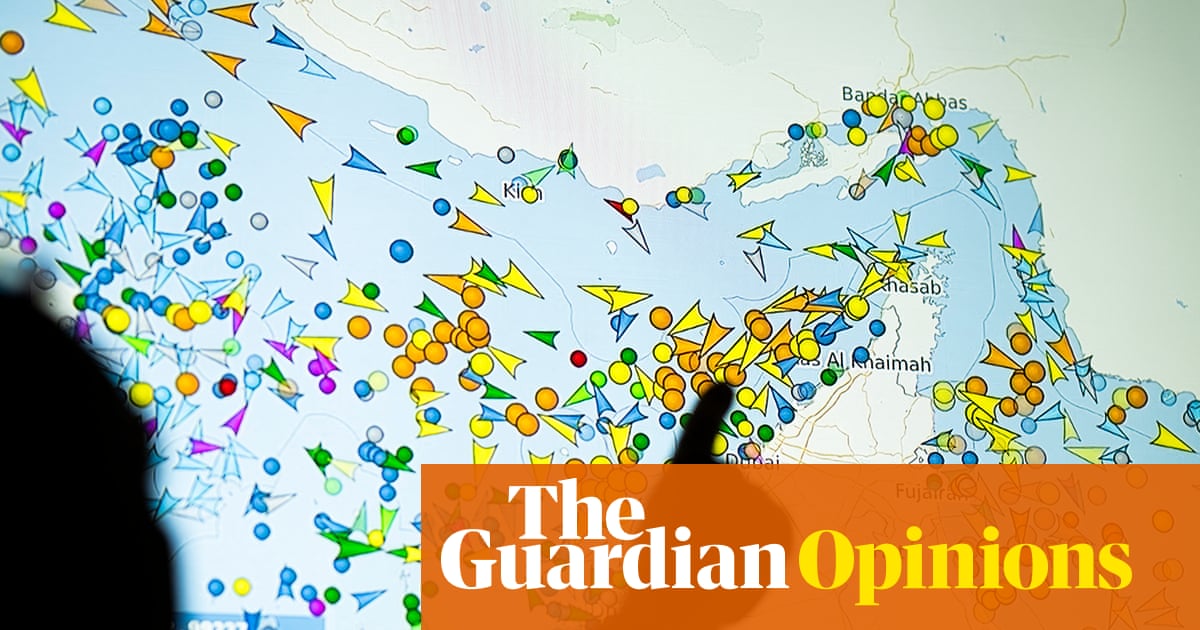
TL;DR
- US military and economic pressure has failed to compel Iran to restore passage through the Strait of Hormuz or meet core demands regarding its nuclear program, missile forces, and regional proxies.
- A more effective strategy requires realistic negotiations that offer Iran substantial assurances and incentives, respecting the regime's survival red lines.
- Demands verging on unilateral disarmament are counterproductive, as they reinforce Iran's need for deterrent capabilities and control over the strait.
- Iran's capacity to absorb pressure is enhanced by its own asymmetric tools (drones, missiles, cyber) and external support from China and Russia.
- A realistic deal necessitates near-term sanctions relief for Iran and assurances that Washington will honor the agreement.
- The participation of third parties like China, Europe, and Gulf states could help ensure a deal is honored.
- If a comprehensive deal is impossible, negotiating a return to pre-war freedom of navigation and a freeze on escalation is a realistic minimum.
- The current situation highlights the failure of relying solely on overwhelming power instead of diplomacy and compromise.