US plan for $1.6m hepatitis B vaccine study in Africa called ‘highly unethical’
Experts decry ‘neocolonialist’ Guinea-Bissau study after Trump administration changed advice for US babies
TL;DR
- A $1.6 million US-funded study on hepatitis B vaccination of newborns in Guinea-Bissau is criticized as "highly unethical" and "extremely risky" by experts.
- The study follows changes in US vaccine recommendations and funding cuts to global health programs, influenced by an administration skeptical of vaccines.
- Critics view the study as "neocolonialist" and a risk to global trust in the US and science, especially as it will be led by researchers with a history of controversial findings.
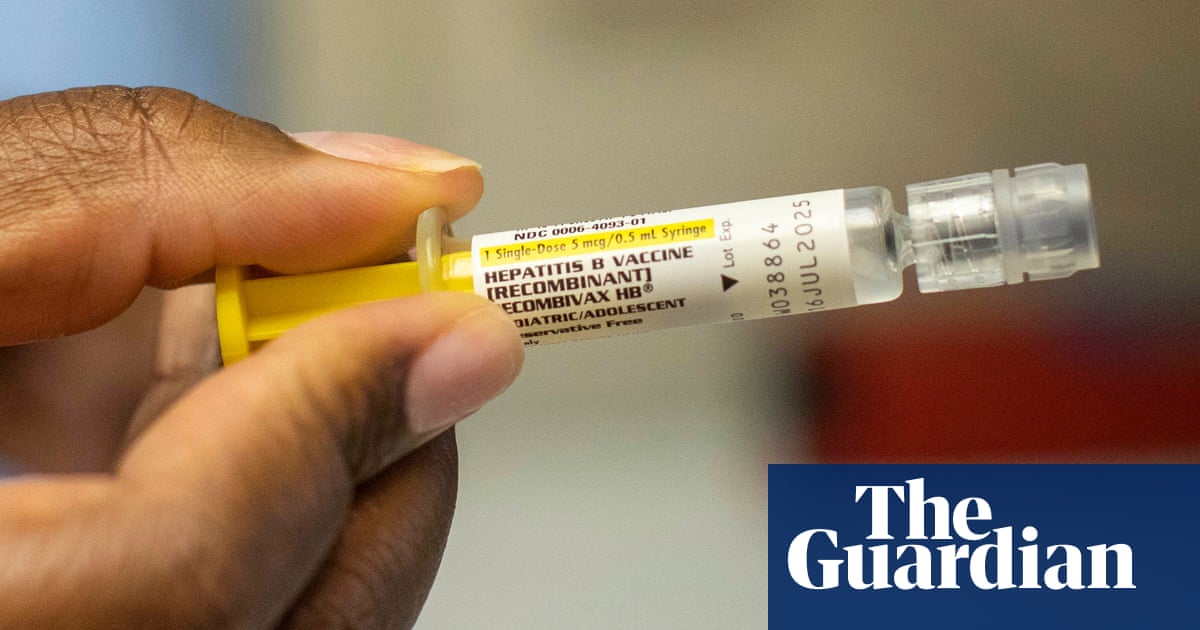
- The study will withhold the hepatitis B vaccine at birth from some newborns in Guinea-Bissau to compare health outcomes, despite the vaccine's established safety and effectiveness.
- Concerns are raised about the study's methodology, including potential biases and vaguely defined research endpoints, and its ethical implications in a population with high hepatitis B prevalence.