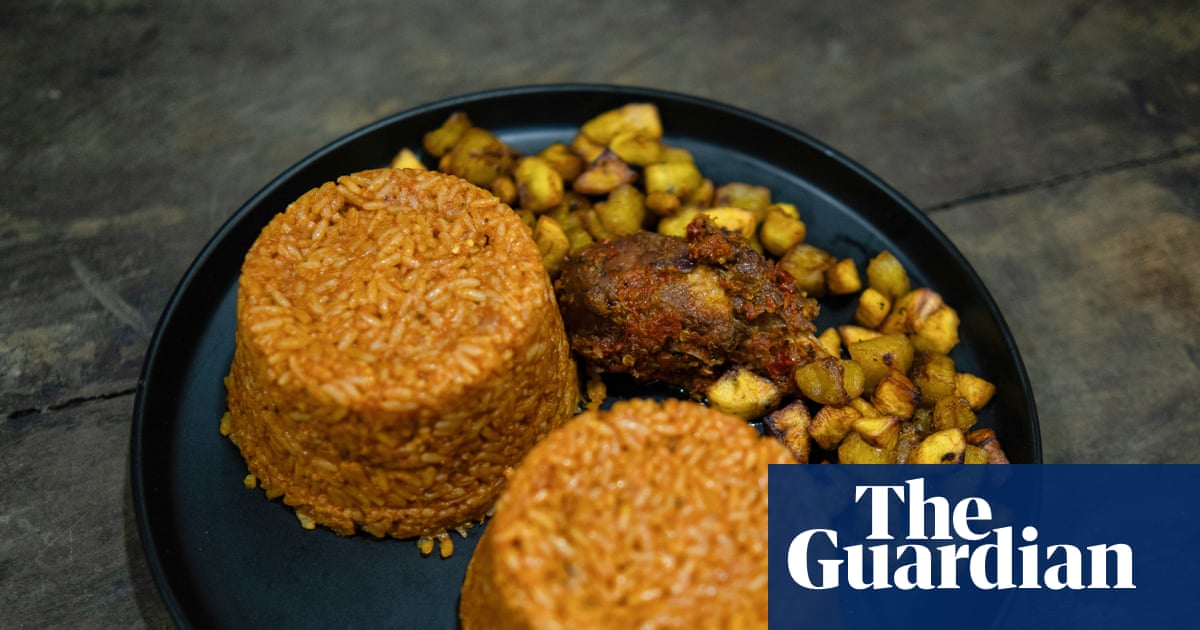
From childhood staple to luxury food: how Nigeria’s jollof became too expensive to eat
High inflation and a cost of living crisis mean that the familiar favourite has become a rare Detty December treat for many in the country
TL;DR
- The cost of living crisis in Nigeria has made preparing traditional jollof rice prohibitively expensive for many families during the holiday season.
- The 'Jollof Index' shows a significant price increase for the dish's ingredients, with the cost for a family of five rising to 26,656 naira.
- Inflation has eased but has not translated into increased purchasing power, with incomes not keeping pace with rising food costs.
- Families are resorting to cheaper ingredients or preparing 'concoction rice,' a less elaborate and less costly imitation of jollof rice.
- The high cost of jollof rice is impacting cultural traditions and social gatherings, turning a communal food experience into a transactional one.
- In Ghana, jollof rice preparation also faces cost challenges, leading to similar adaptations in meal choices.
- The debate over the best jollof rice between Nigeria and Ghana continues, with cultural identity tied to the dish.