DEI isn't dead. It's mutating
Diversity, equity, and inclusion initiatives are fading under pressure from the Trump administration. Florida and Texas have dismantled DEI offices, while Georgia has barred mandatory DEI training and eliminated diversity statement requirements. Similar substantive and symbolic efforts, such as renaming, defunding, and slowly demolishing the DEI infrastructure, are underway in many other states. Although some read these legislative measures and administrative rollbacks as a sign that the DEI movement is in terminal decline, reports of its demise are premature.
TL;DR
- DEI initiatives are facing pressure and rollbacks in some states and universities, with offices being dismantled and mandatory training banned.
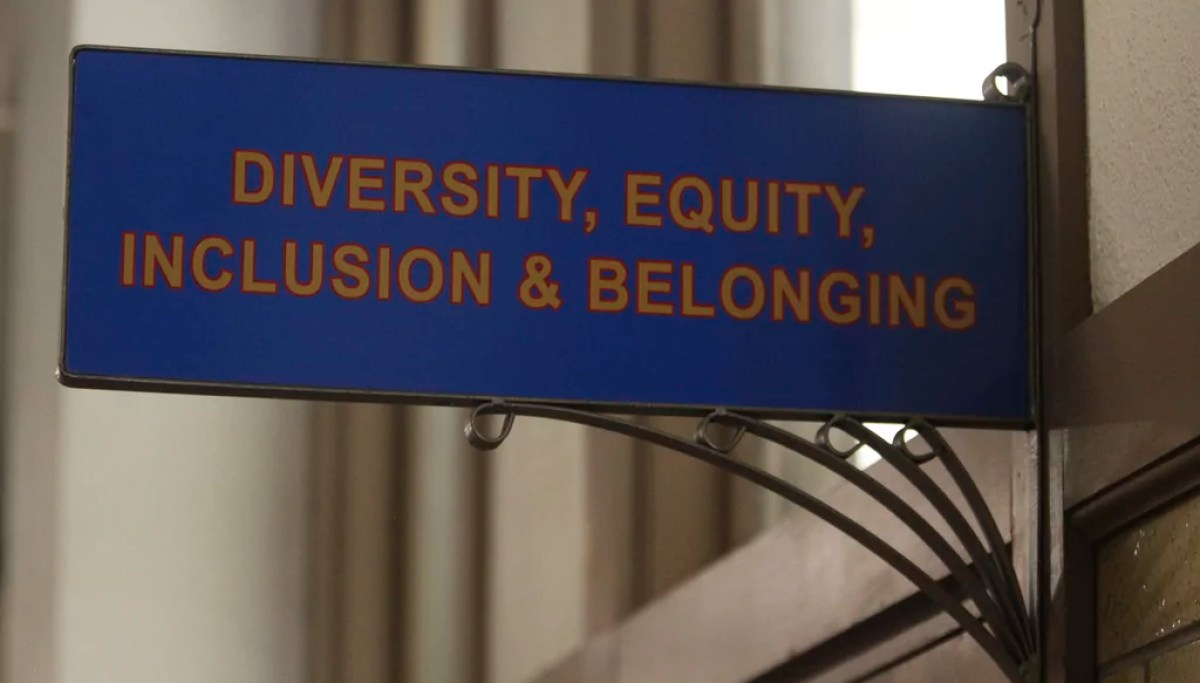
- Despite these efforts, the DEI movement is considered resilient and is adapting by changing terminology (e.g., DEIB) and preserving its underlying mission through procedural workarounds.
- The DEI movement has penetrated academic publishing, with publishers like Springer Nature requiring unconscious-bias training and journals like Science welcoming DEI statements.
- Academic publishing now emphasizes DEI, with some journals prioritizing research frameworks focused on racism and inequality, shifting from 'publish or perish' to 'publish DEI or perish'.
- Accrediting organizations, such as the Council on Social Work Education, have embedded DEI principles into their standards, making them administrative obligations for educational programs.
- Efforts to curtail DEI enforcement through accreditation are leading to softer language around belonging and climate, but administrative practices like data classification and equity reviews remain.
- The DEI infrastructure, including administrators and tenured faculty invested in the movement, exhibits a strong instinct for self-preservation, suggesting dormancy rather than extinction.