The Ungovernable Country? Why Britain Keeps Losing Prime Ministers
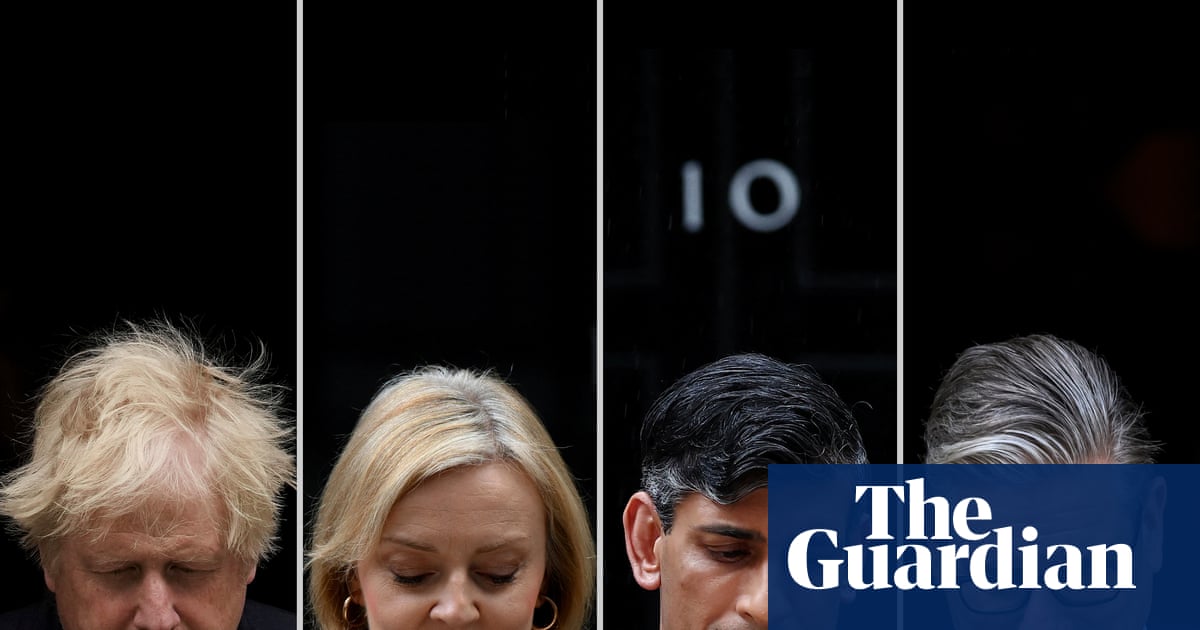
May, Johnson, Truss, Sunak, and now Starmer: each one was brought low for a reason. But what if the deeper problem is the office itself?
TL;DR
- Frequent changes in prime ministers and ministers in the UK are compared to the unstable French Fourth Republic, hindering long-term policy and decision-making.
- Periods of instability, like the 1760s and 1827s, saw rapid PM turnover, but the post-2016 era is uniquely disruptive due to wider churn at the top.
- A lack of continuity in ministerial roles makes it difficult to address complex issues like pensions, with nine pension ministers in five years at one point.
- The constant threat of removal distracts leaders, forcing a focus on short-term survival (e.g., Theresa May's focus on a Brexit deal) over broader challenges.
- Societal divisions, including cultural divides like Brexit and generational divides, have replaced the simpler post-war class divide, making coalition-building more challenging.
- Economic stagnation since the financial crisis has made public policy arithmetic harsher, but historical precedents show that even in difficult economic times, politics can be stable if societal divisions are managed.
- Effective reform requires detailed blueprints, consultations, law-making, and resource marshalling, all of which take time, a commodity scarce in the current political climate.
- The article suggests that addressing societal schisms and focusing on doing 'politics properly,' with a commitment to effort and time, is key to effective governance, drawing a parallel with France's Fifth Republic.