tech
Trailblazers, trumpets and the theremin: 10 soundtracks that changed the way we listen to movies
From soundtracking the silent era, via 50s rock’n’roll and the ‘symphonic pop’ of Henry Mancini to iconic works by John Williams and Hans Zimmer, movies are unimaginable without music. Ahead of the London soundtrack festival its artistic director picks 10 scores that moved the dial
TL;DR
- Early cinema used live musicians, but synchronized sound in films like "The Jazz Singer" (1927) offered a consistent musical experience.
- The "true" soundtrack emerged when music could be printed directly onto film, with film music styles solidifying in the early 1930s due to European émigré composers.
- Sunrise (1927) pioneered optical sound printing with its music track.
- Max Steiner's score for King Kong (1933) set the standard for symphonic film music, integrating music with narrative and emotion.
- Bernard Herrmann's "Citizen Kane" (1941) score prioritized mood and atmosphere over traditional symphonic styles.
- Blackboard Jungle (1955) marked a shift by using a popular rock and roll song, demonstrating music's promotional power.
- Forbidden Planet (1956) featured the first completely electronic film score by Louis and Bebe Barron.
- Henry Mancini's work on Breakfast at Tiffany's (1961) exemplified "symphonic pop," blending traditional and contemporary sounds.
- 2001: A Space Odyssey (1968) famously used classical music, with Alex North's original score being replaced.
- American Graffiti (1973) popularized song-led soundtracks with its extensive use of 1950s rock and roll.
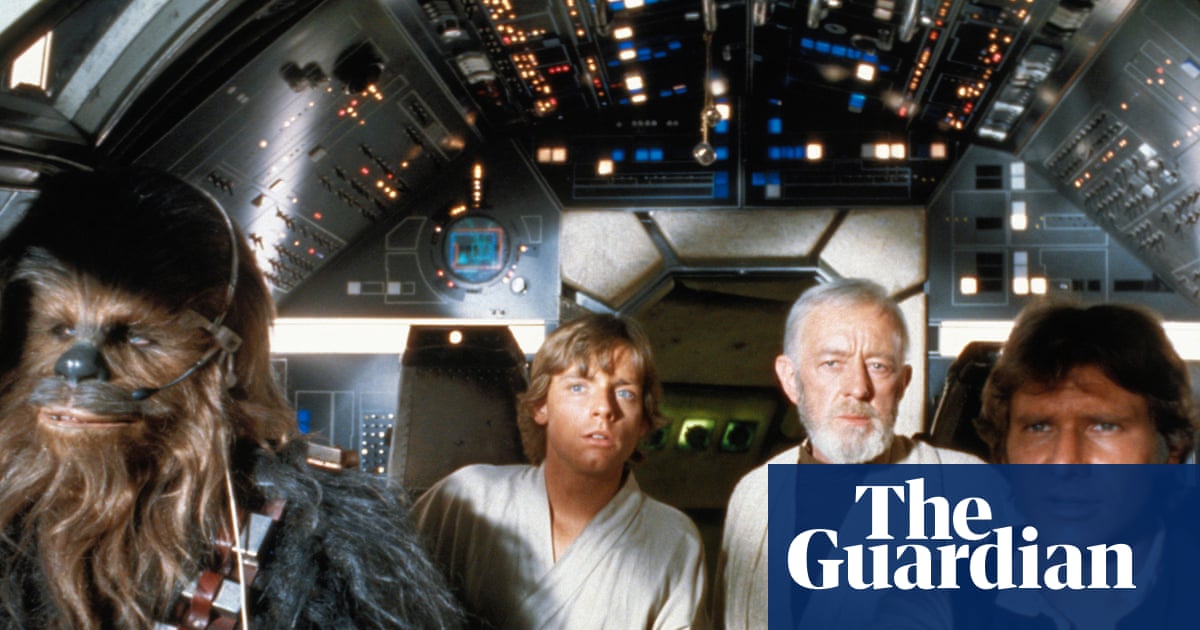
- John Williams' score for Star Wars (1977) revitalized the love for symphony orchestras in film.
- Hans Zimmer's work on Crimson Tide (1995) defined modern Hollywood film music through a fusion of electronic elements, orchestral players, and choir.