economy
The Romance of the Gas-Station Sign
A few glowing roadside numerals set the national mood.
TL;DR
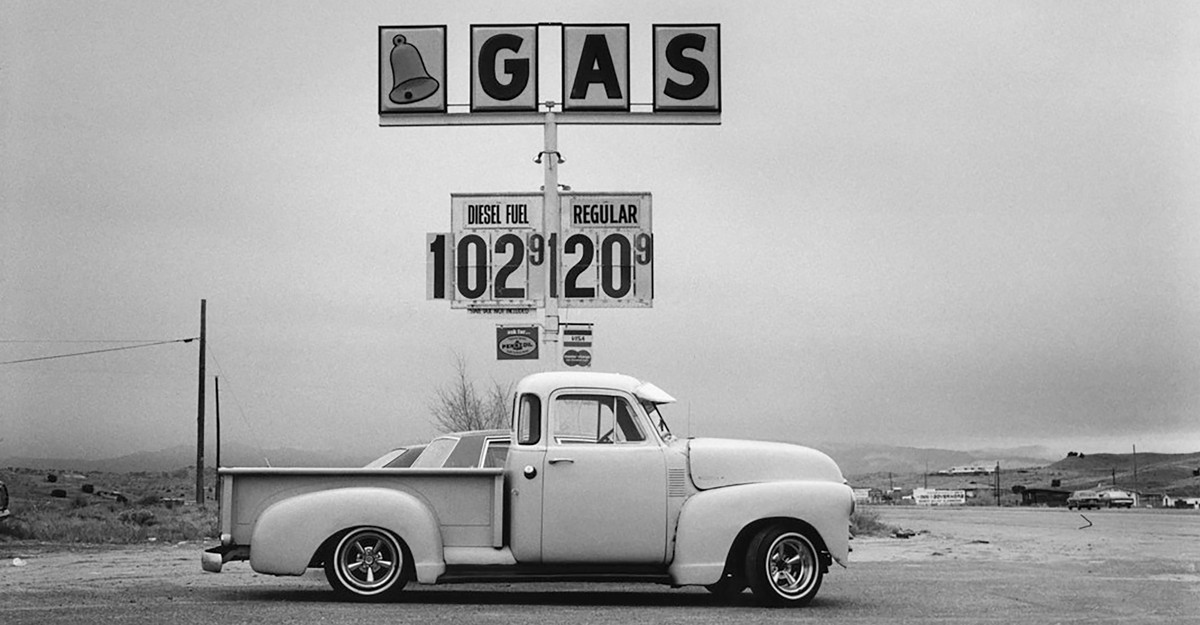
- Gas station signs, displaying prices in large numbers, have historically served as a barometer for the consumer economy and a way for Americans to gauge global events.
- Unlike other goods, gasoline is perceived primarily by its price, making it a unique commodity that directly interfaces ordinary people with market forces.
- The evolution of gas station signs reflects historical shifts, from early service competition to the prominent price displays that emerged after the oil shocks of the 1970s.
- Gasoline's role as a symbol of transportation freedom and a unifier in common economic plight is diminishing with the increasing adoption of electric vehicles (EVs).
- EVs signify the end of the gas-station sign's universal meaning, as drivers of electric cars are less concerned with fluctuating fuel prices and the related political and economic discourse.